“CellWalk”:visionOS 上展现的生物学之美
2026 年 5 月 16 日
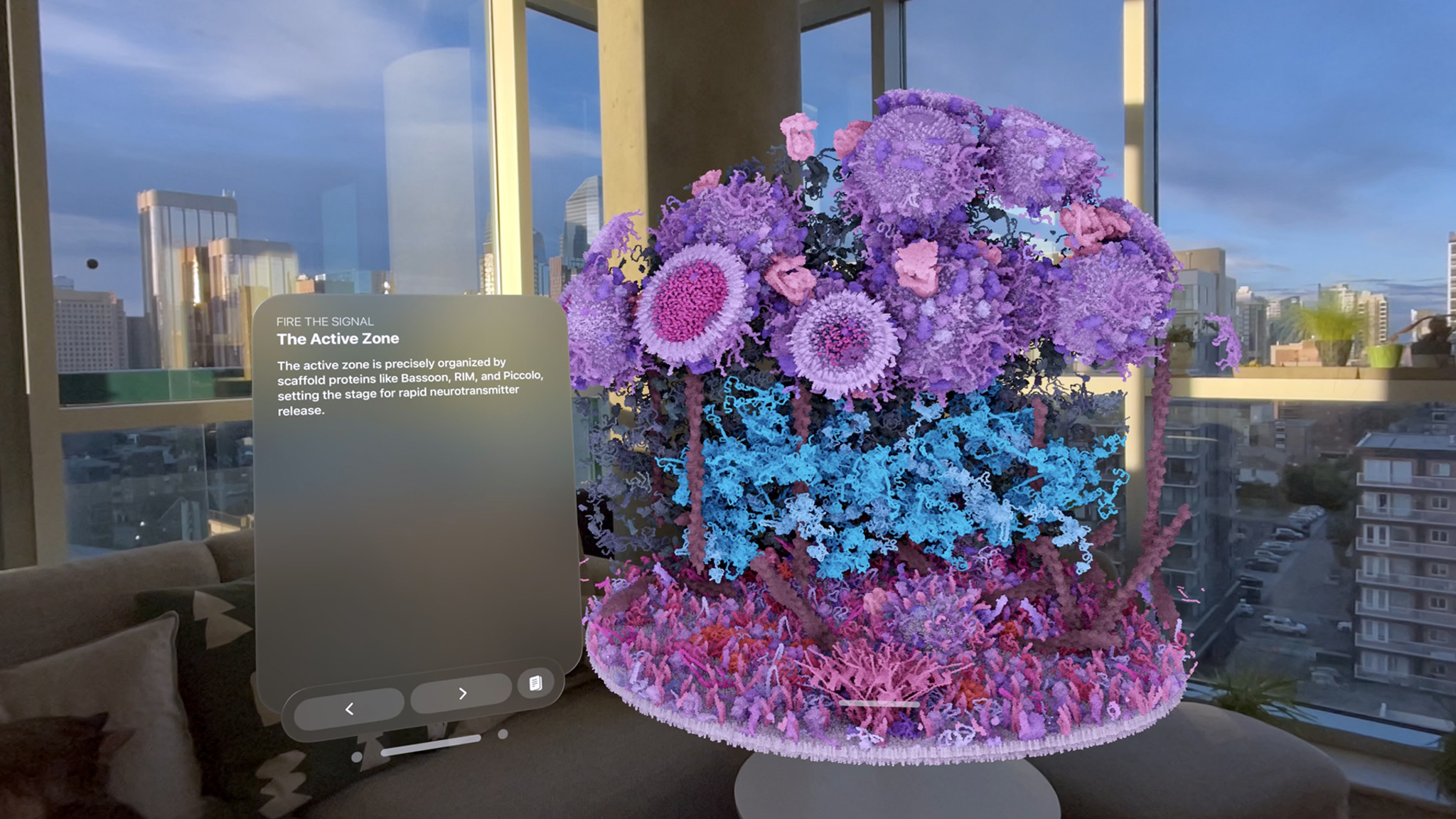
“CellWalk”就像是生物学教科书活了过来。这款令人惊叹的 visionOS App 打开了一扇通向生物学的窗口,让人们有机会深入观察和探索鲜艳生动的 3D 细胞结构模型。
入围 2025 年 Apple 设计大奖的 “CellWalk” 专为学生和科学爱好者打造,提供生命的分子杰作的全彩特写图像,并配有通俗易懂的解释。用户可以捏合、平移和旋转复杂生物体的模型,例如支原体细菌,这个由 2.5 亿个原子组成的细胞以令人叹为观止的精细程度呈现。
“CellWalk”提供了数千个结构供用户查看,正如 App 的开发者与联合创作者 Tim Davison 所说,它将枯燥的原始科学数据转化为“一场如电影般惬意而壮阔的旅程,震撼接踵而至,让人目不暇接”。
CellWalk
- 兼容平台: iPhone、iPad、Apple Vision Pro
- 团队规模: 2
- 公司总部: 加拿大
Davison 开发“CellWalk”的灵感来自于在卡尔加里大学攻读博士学位期间。当时,学校计算机科学系的一位教授送给他一本里程碑式的生物学著作《图解生命》,作者 David Goodsell 用水彩画勾勒出精妙的分子世界。
“大多数生物学教科书都充斥着抽象的图解,”Davison 回忆道,“而《图解生命》的插图则繁复混乱。我翻开它,心想:‘如果能钻进书里,在 3D 空间中观察这些分子结构,会是什么感觉?’于是这成为了我的使命。”
“CellWalk”的成功落地耗费了数年的努力。Davison 最初为一些他口中的“早期虚拟现实系统”打造了 3D 体验,然后观察到用户非常努力地摸索如何使用设备。“我想要开发一个人人能用,且日常可用的产品,”Davison 说,“而 visionOS 是实现这一目标的最佳方式。”
他们的 App 做得很美。
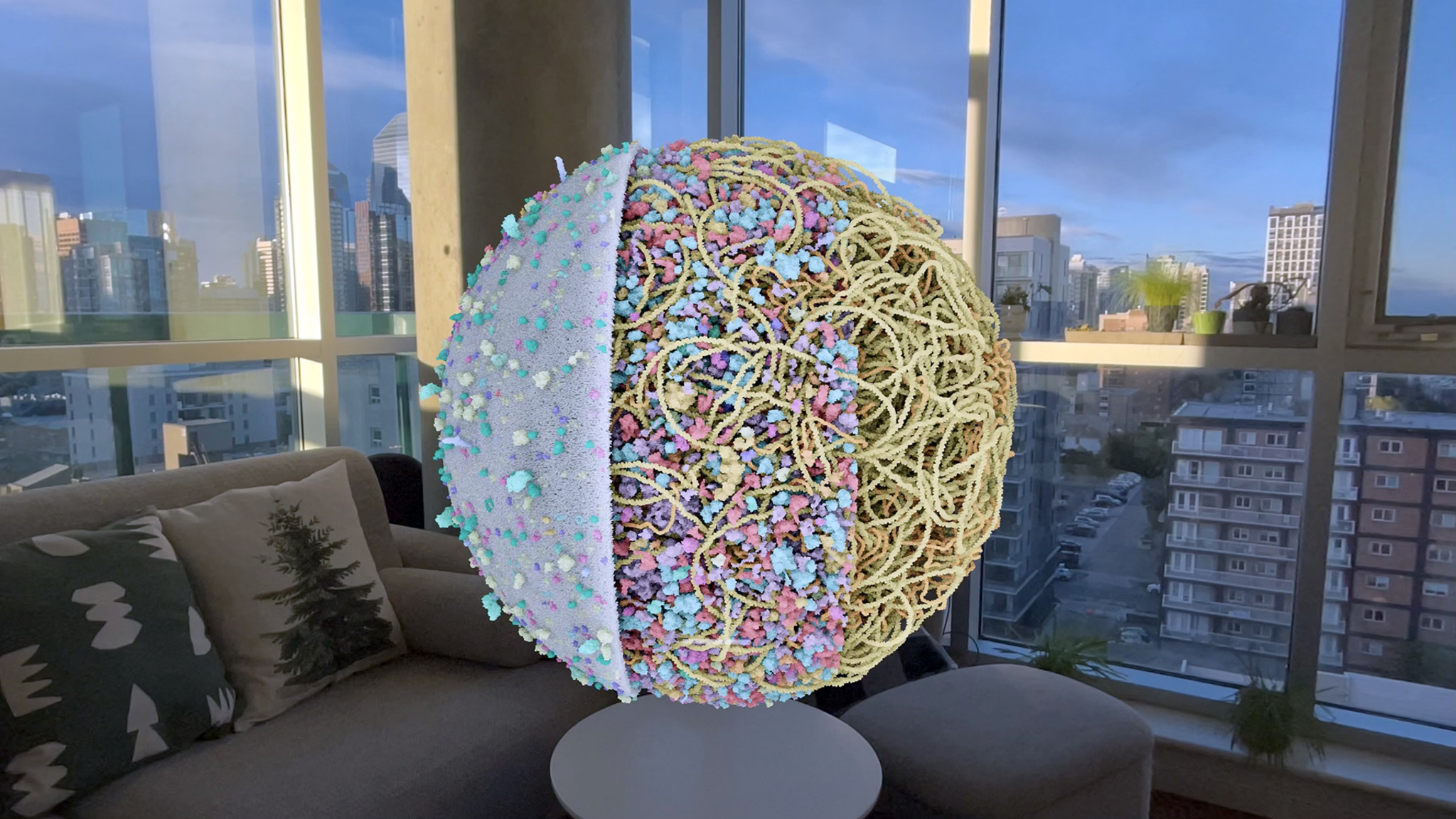
Davison 的目标之一是确保“CellWalk”里的各种酶、脂质和核糖体设计得赏心悦目。“我们想要一个非常丰富的配色方案。”Davison 说,“如果我们想让某个东西成为视觉焦点,比如 DNA 链,我们会对周围场景进行平滑的去饱和及暗化处理,以此滤除背景中的干扰元素,将用户的注意力集中到唯一的核心对象上。”
让“CellWalk”具有最大化的视觉吸引力对 Davison 来说非常重要,他曾在 2000 年代和 2010 年代多次获得 WWDC 奖学金。“让我感触很深的一点是,其他开发者对设计的重视程度。”他说道,“他们不只是一味地想着‘我能做出什么很酷的技术’,他们的 App 做得很美。从那以后,这一点影响了我所做的每一件事。”
生物学本身就很美,它替我们完成了许多工作。
Tim Davison,“CellWalk”创作者
Davison 还希望“CellWalk”能区别于传统生物学教科书,实现全方位的交互体验。这个 App 允许用户拖动、旋转并切入到细菌细胞内部,然后提供易于理解的信息,帮助用户了解眼前所看到的是什么。正如 Davison 所说,用户可以轻点任何东西,甚至是拥有 36 亿个原子的神经元。
描绘生命奥秘的结构
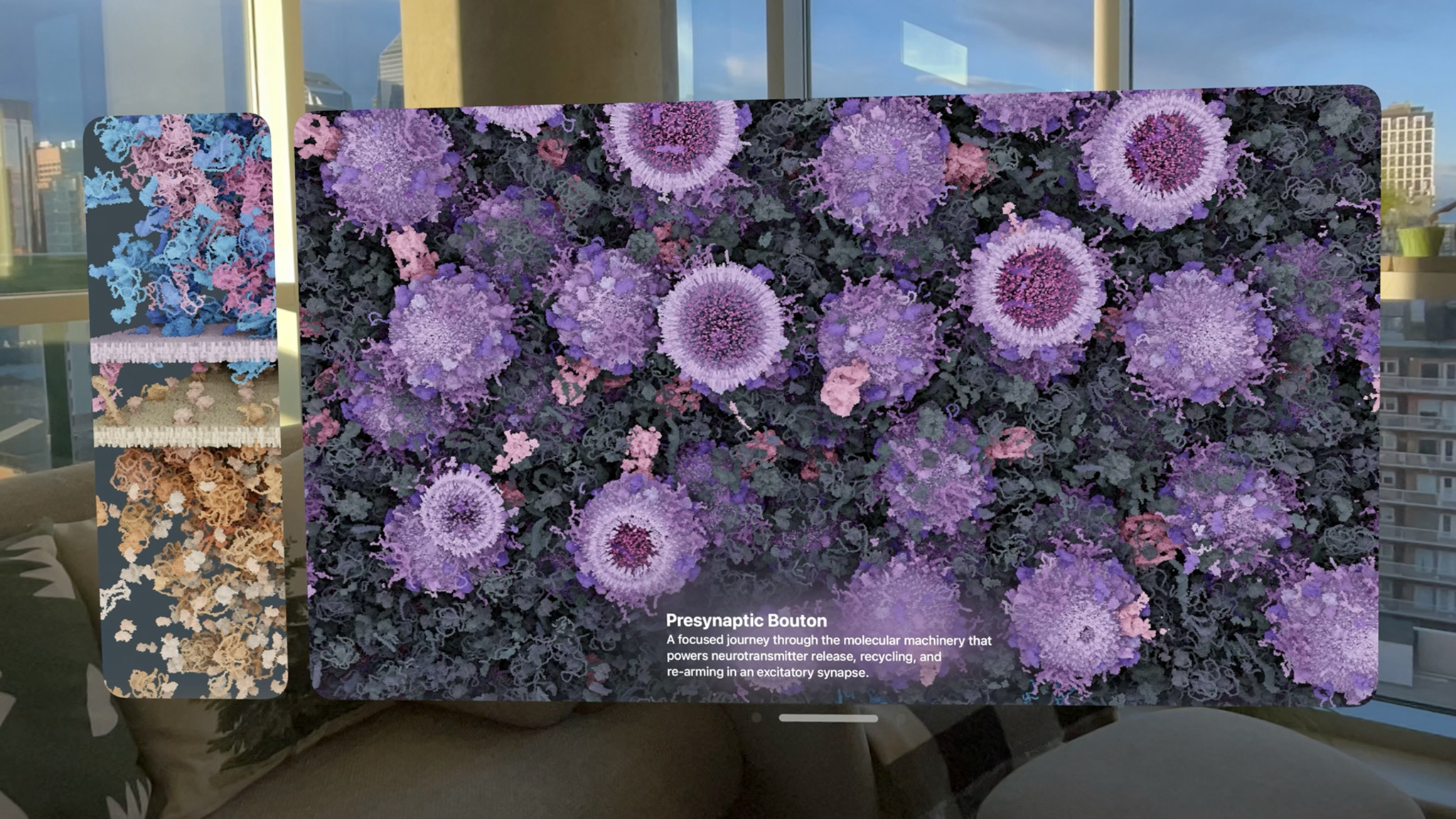
为确保“CellWalk”模型的准确性和时效性,Davison 使用来自全球蛋白质数据银行 (Worldwide Protein Data Bank) 的数据,该机构维护着一个持续更新的蛋白质数据库。“每天都会有海量的新蛋白质被发布出来,”Davison 说,“所以我们能够通过这个渠道获得最新最棒的信息。”(在研究支原体细胞和其他一些细胞时,他与斯克利普斯研究所的计算结构生物学中心密切合作,该中心正是《图解生命》的作者 David Goodsell 的工作单位。“我当然要和启发了我的作者共事。”他说。)
在 Davison 开发“CellWalk”的十多年里,他亲眼见证了空间计算的发展演变。他表示,在过去那些笨重的控制器和简陋的 VR 界面下,这款 App 无法展现它真正的魅力。“Apple Vision Pro 是一场空间计算的革命。”他说,“如果我把它交给一个从未用过的人,他立刻就会知道如何使用‘CellWalk’。”
这一切都在助力 Davison 实现他对于“CellWalk”的目标:打造一款有助于培养新一代生物学家的 App。当他听说有几位教师非常盼望在课堂上使用“CellWalk”,他便向学生们征求反馈,以了解他们会如何在自己的学业中使用它。
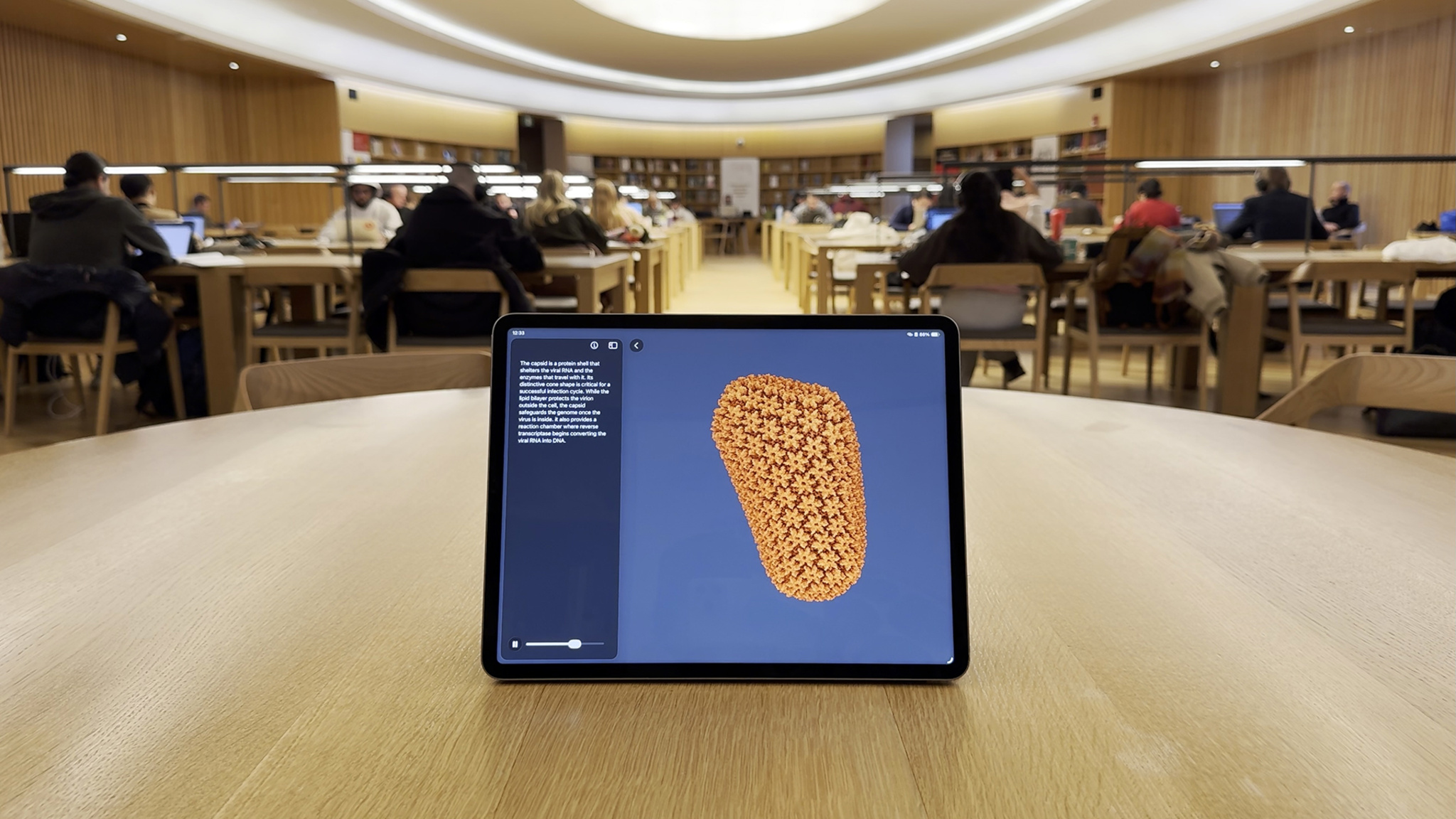
谁知道呢?或许,那些今天在 App 中热切探索着彩色 mRNA 分子模型的学生,将来有一天会在实验室里看到真正的 mRNA 分子。
如果真是这样,Davison 会很高兴。不过他并不愿意把大自然的功劳归于自己。“生物学本身就很美,”他说,“它替我们完成了许多工作。”
继续阅读
开发者故事探索 Apple 社区中一些最具创造力的开发者分享的最佳做法和理念。在每个故事中,我们跟随开发者、设计师及工程师走进幕后,了解他们如何将非凡创意变为现实。