The rise of Arknights: Endfield
May 15, 2026
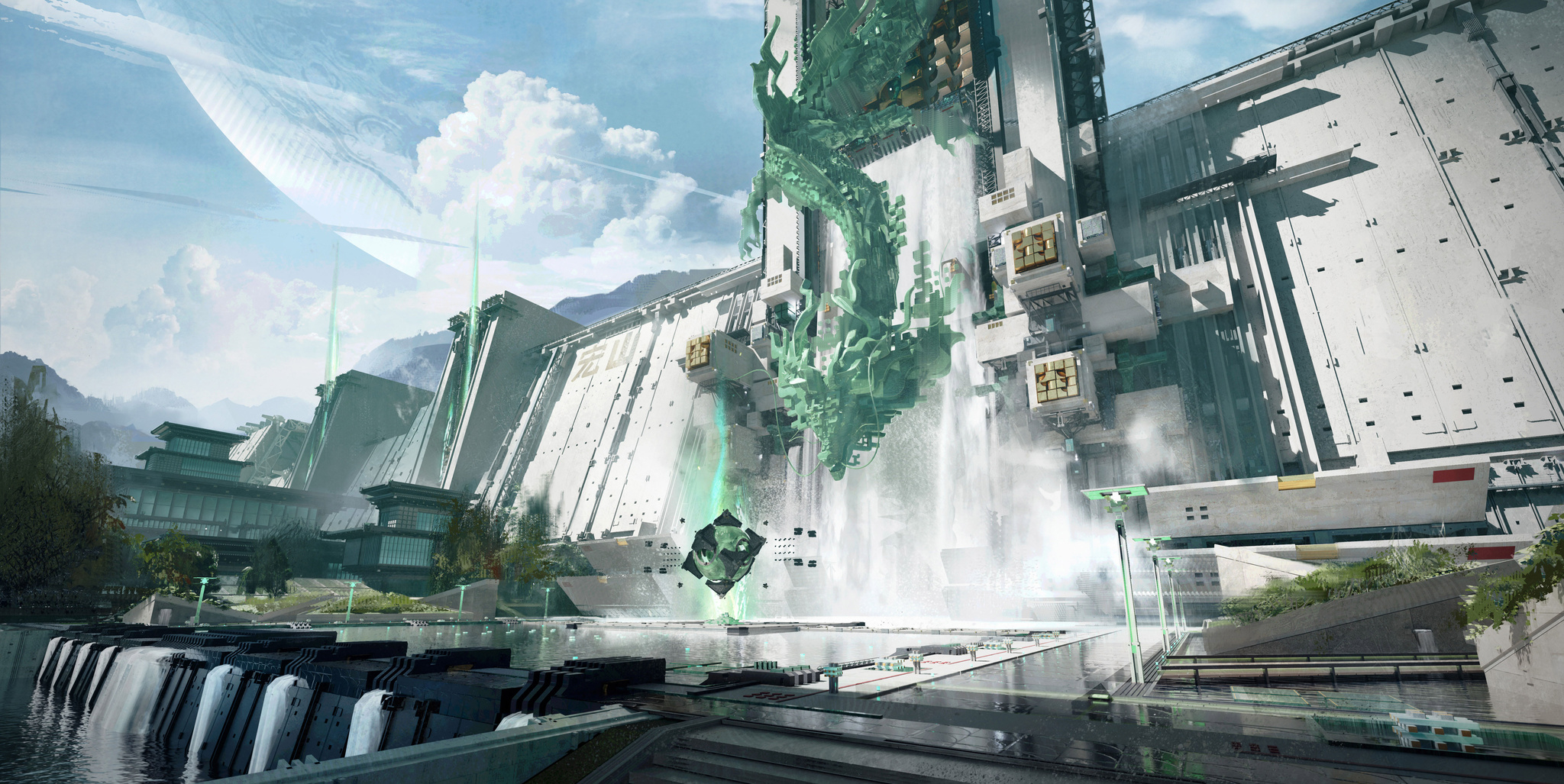
It's easy to understand why Arknights: Endfield became an instant hit upon release: With gorgeous graphics, 3D combat action, and large-scale linear environments, the latest game from Shanghai-based developer HyperGryph pushes the boundaries of what's possible on iPhone and iPad.
Developed over the course of four years, Arknights: Endfield encourages players to not only build their own futuristic factory, but to defend it from constant dangers. We spoke with senior technical director Will and senior environment concept artist Yayan about the technology, tenacity, and challenges involved in bringing Arknights: Endfield to life.
Arknights: Endfield
- Available on: iPhone, iPad
- Based in: Shanghai
Download Arknights: Endfield from the App Store >
Q: Arknights: Endfield is a wildly ambitious game — not just in terms of visuals and gameplay, but in terms of sheer scope and size. What are the first steps on a project like this?
Will: Before we scale up production, we want to ensure the core experience is genuinely fun. That means defining the core gameplay loop. We begin with a "gray box" prototype to see if the mechanics feel right. From there, it's an iterative process of polishing and playtesting. That's the best way to reach our main goal of creating a game that's fundamentally engaging.
Yayan: For a large project with 3D visuals, the art team's first task is defining the world we want players to experience. Will it be sci-fi or post-apocalyptic? Stylized or realistic? Will the environment be bright or more oppressive? These choices don't just dictate how the game looks — they also help determine the project's story and gameplay. And we experimented a lot before finally finding a balance that made us happy.
Q: Can you give a big-picture overview of your technical pipeline?
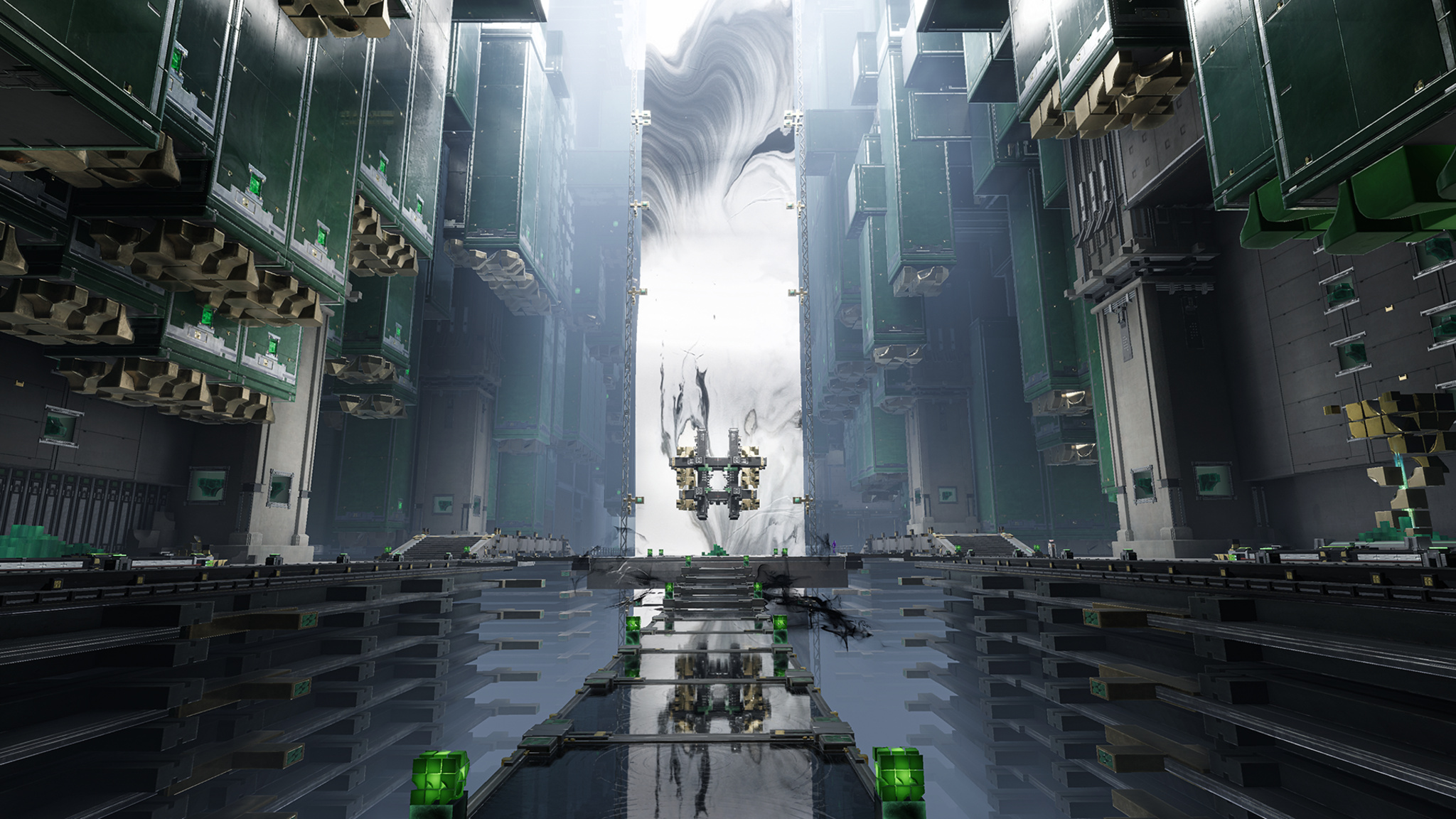
Will: We treat the pipeline as a unified system, from content creation all the way to runtime. On the content side, we enforce strict production and performance standards early, so assets are already optimized and predictable before they enter the engine.
At the core, we've built a customized stack on top of Unity, including our own rendering pipeline, graphics abstraction layer, and ECS framework, so we can handle large-scale scenes efficiently.
On Apple platforms, the challenge is making high-end features like ray tracing actually work in real gameplay, within tight performance and thermal constraints.
And overall, we design the pipeline so the experience stays consistent across devices — not by simply scaling things down, but by keeping both visual quality and performance under control.
Q: How do you go about prototyping a project like this?
Yayan: For Arknights: Endfield, we broke it down into three steps. First, we worked with narrative and game designers to define the theme of the levels and gameplay, while our concept artists quickly put together sketches to validate those ideas.
Once we had a solid direction, we sat down with the 3D, level art, and tech teams to review feasibility. Then, as concept designers refined their ideas, we started building an art blockout in-engine. Throughout all of this, we held catch-up meetings at least once a week, so that group leads could review progress, flag issues, and share new ideas.
Q: What challenges did you encounter while developing the game?
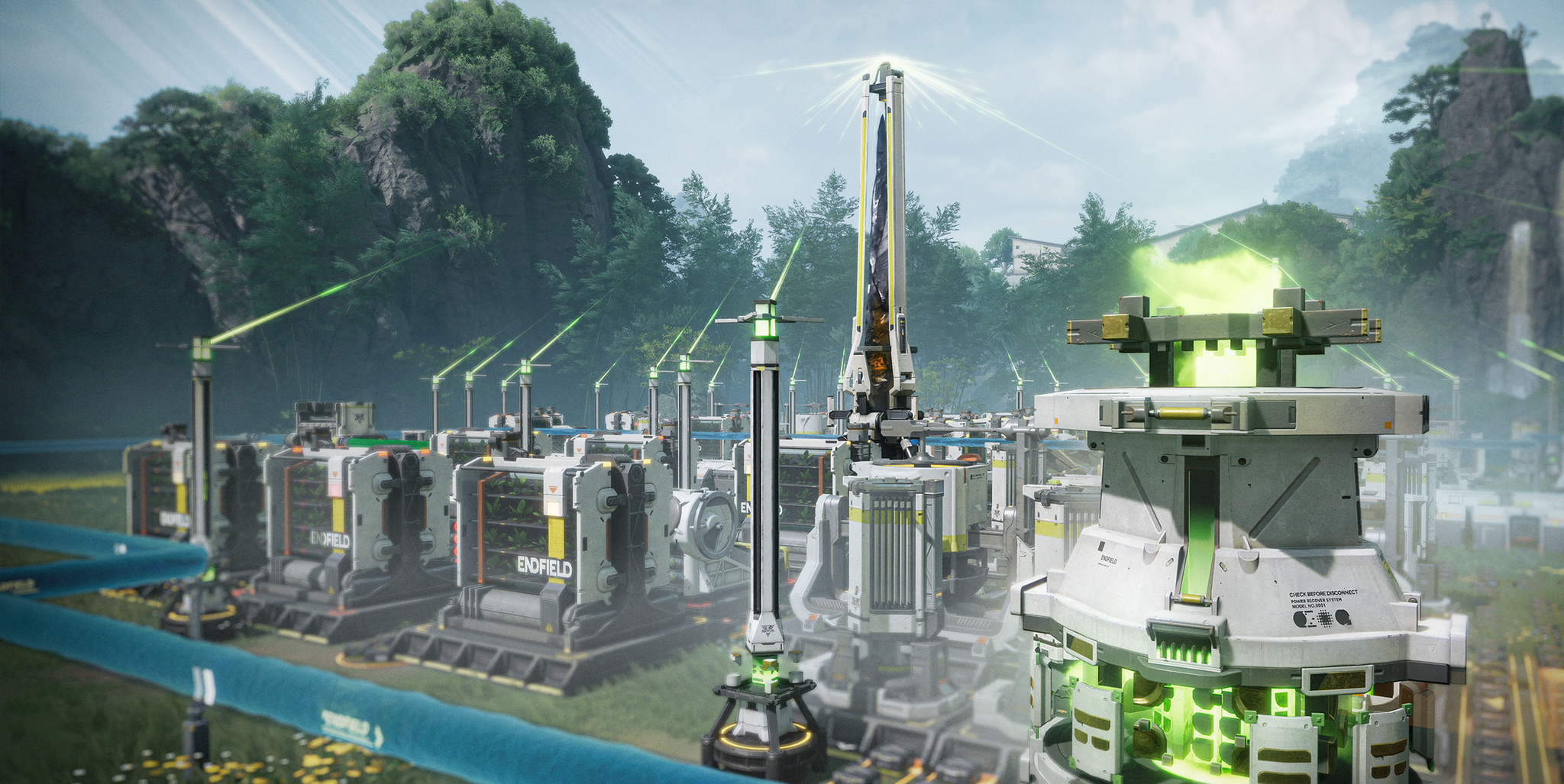
Will: Early on, we underestimated how complex the system would become at scale — especially with large numbers of interacting objects and advanced rendering features. It soon became clear our initial assumptions around performance and scalability weren't sufficient. So we invested heavily in profiling, optimization, and refining our pipeline. That helped make performance considerations part of the process — rather than something we handled at the end.
Q: Arknights: Endfield was released in early 2026, and became an immediate hit. What surprised you about people's responses to the game?
Will: Thanks to our factory systems and the underlying technology, players started creating incredibly complex and dense factory setups — far beyond what we originally expected — while still maintaining stable performance. And it's interesting to see the creative uses they've found for these systems. Some players leveraged factory pipelines and timing controls to build dynamic, almost animated behaviors within their setups. It's been really exciting to see people push the system in directions we hadn't fully anticipated.
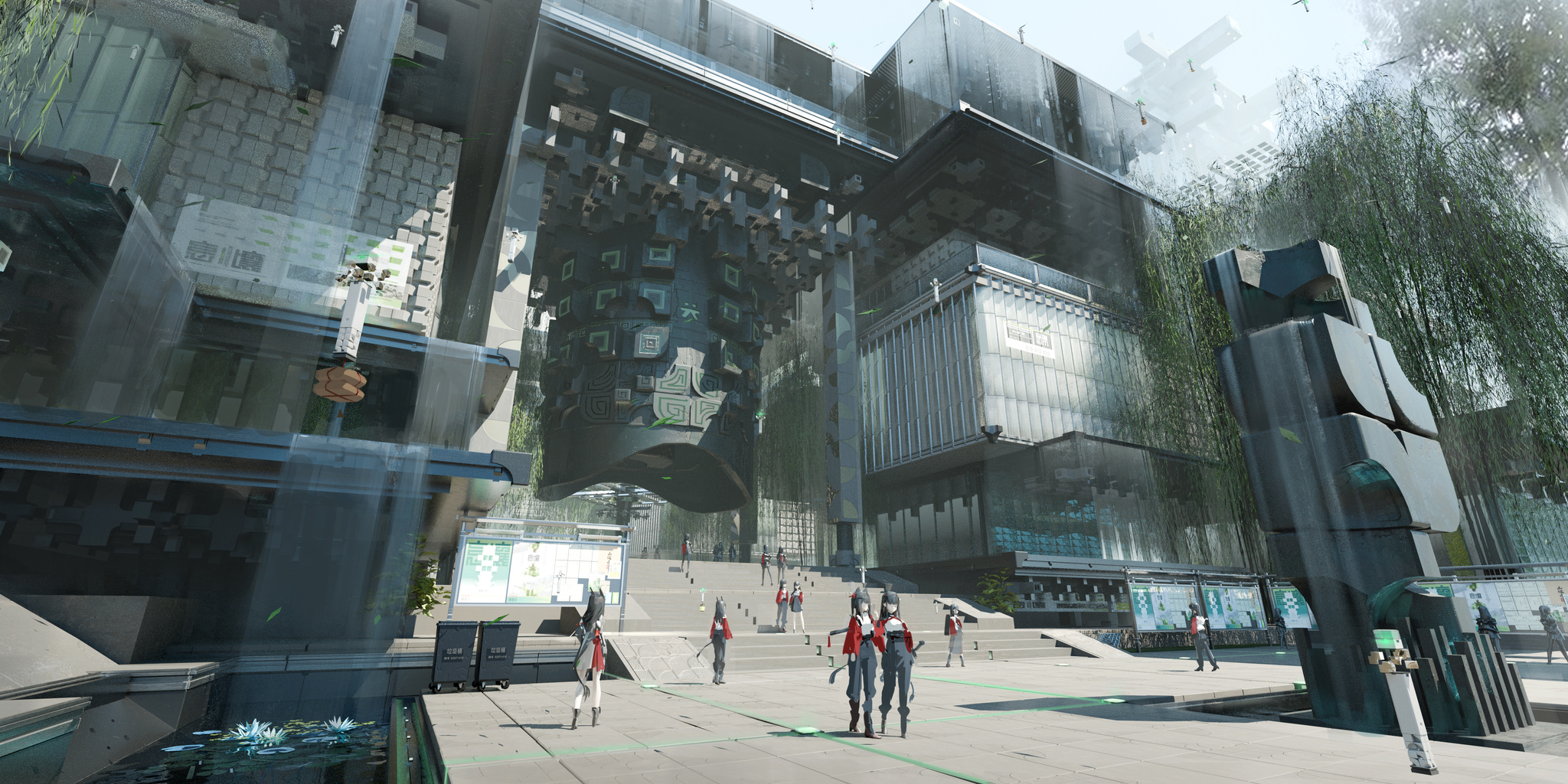
Yayan: What stuck with me the most was the fact that a lot of players said Wulin – the sci-fi-styled city – reminded them of their hometown. They enjoyed wandering around and soaking up the lively atmosphere, and began talking about the detailed objects they spotted around the city – things like milk tea, Chubby Lung balloons, and even sprinkler trucks. Even though the players came from different places, and had different backgrounds, they all had the same emotional response to this brand-new environment.
I think that all stems from typology — the use of shared archetypes — shaping our design language. Archetypes are formed by abstracting people's shared, intuitive impressions of things. When we first used typology, it was mainly to make the game more intuitive. But what we ended up with was a design where many of these archetypes resonated with players' collective memories, creating that sense of something both familiar and unfamiliar.
Q: Based on your experience with Arknights: Endfield, what advice would you give to other developers?
Will: Always stay close to the player's perspective. Even as developers, we need to constantly remind ourselves that we're also players. Before shipping any feature or system, we make sure to test and experience it ourselves, so we can keep refining and iterating until the game feels right from a player's perspective. It's not just about whether something works technically — it's about whether it creates a satisfying experience.
Read more developer stories
Developer stories explore best practices and philosophies from some of the most inventive developers in the Apple community. In each story, we go behind the screens with developers, designers, and engineers to find out how they brought their remarkable creations to life.