How Klemens Strasser prioritized inclusivity with Art of Fauna
September 1, 2026
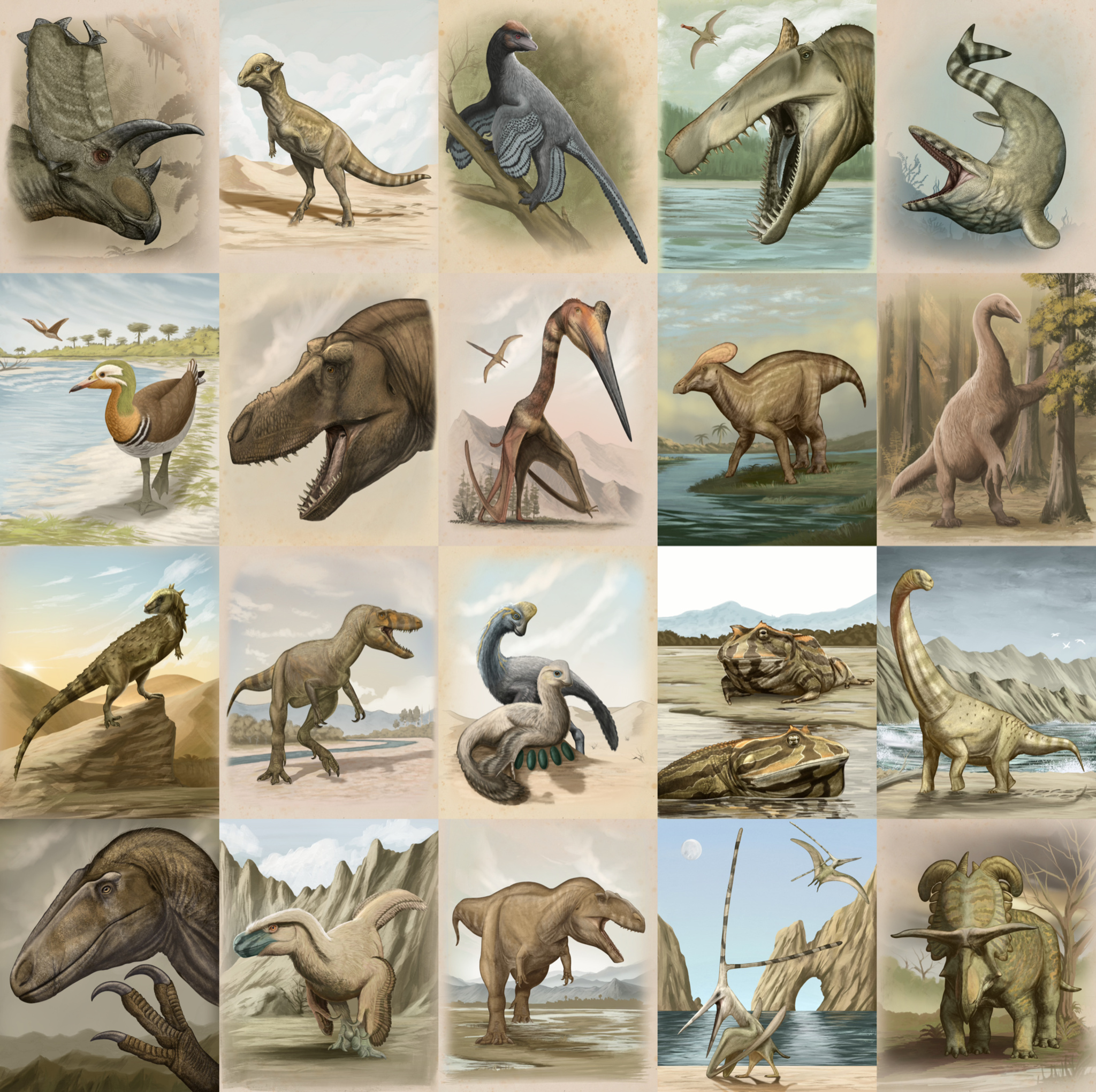
Klemens Strasser has a long history with Apple. He was studying computer science in Austria when, in 2015, he won a student Apple Design Award for his educational app, Elementary Minute. More high-profile projects followed, including Ancient Board Game Collection (a suite of classic, old-school tabletop games) and PocketShelf (which helps readers keep track of their books).
More than a decade into his career as a developer, Strasser earned a second Apple Design Award — this time in the Inclusivity category — for Art of Fauna, a puzzle game featuring vintage animal illustrations and vivid descriptions of their habits and habitats. It’s an experience designed to be enjoyed by everyone, as Strasser explains.
Art of Fauna
- Available on: iPhone, iPad
- Team size: 1
- Based in: Austria
- Awards: App Store Award winner (2025), Apple Design Award winner for Inclusivity (2025), Apple Design Award finalist for Social Impact (2025)
Download Art of Fauna from the App Store >
Find Art of Fauna+ on Apple Arcade >
Art of Fauna doesn’t feel like a typical puzzle game. It’s playful, but it’s also deeply respectful of science and history. What inspired its creation?
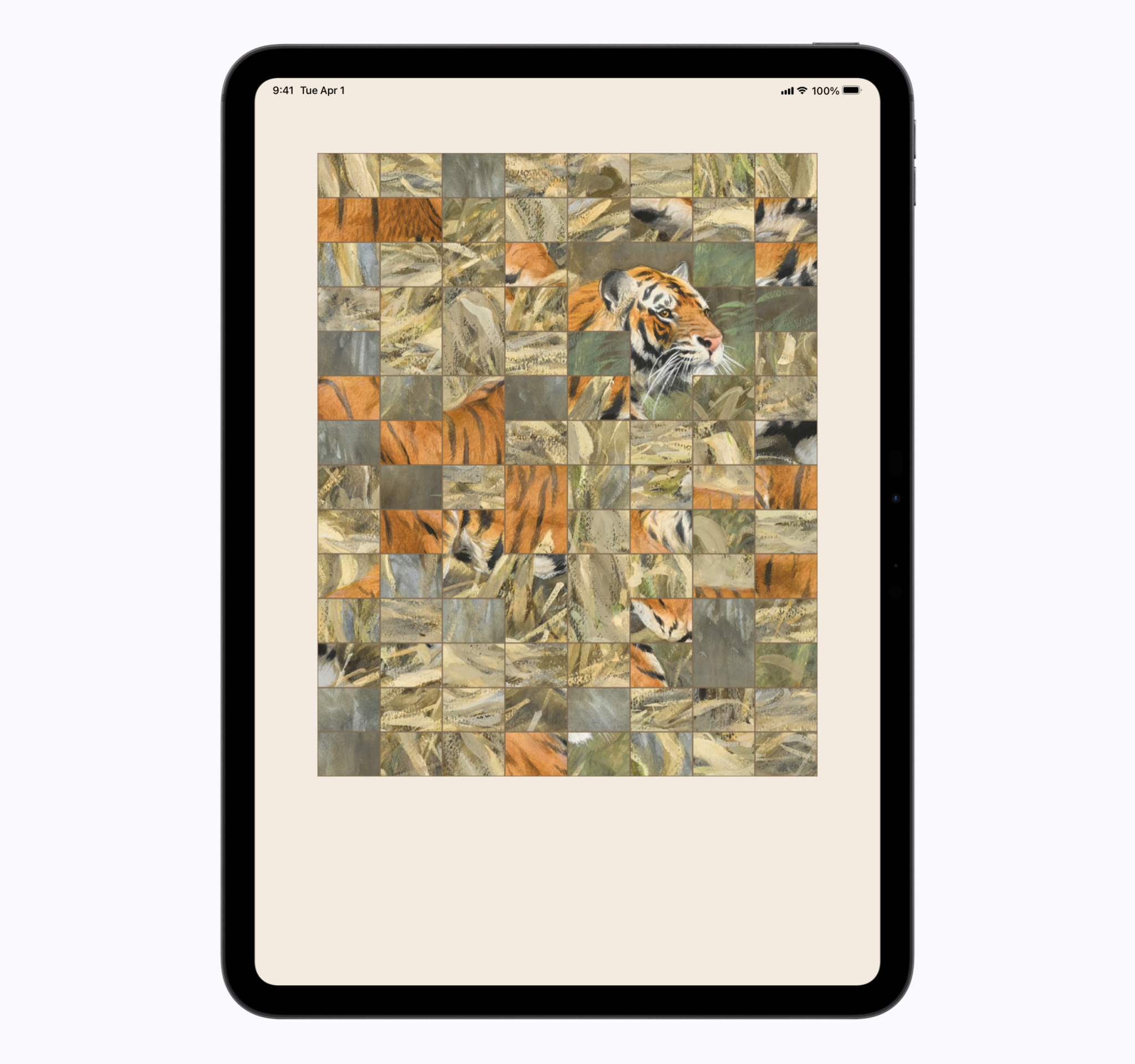
Strasser: It started when I was scrolling through social media and saw some beautiful vintage animal illustrations. I found out they were royalty-free and available through the Biodiversity Heritage Library. At the time, I was hooked on cozy games and wanted to build something in that style. I thought combining those images with a relaxing game could be interesting.
I completed the prototype of the puzzle mechanics fairly quickly. But because I always want to make my games accessible — especially for people who are blind or have low vision — I struggled with how to present the text about the animals in a way that worked for everyone. So I actually shelved Art of Fauna for a while.
How did you find your way back to it?
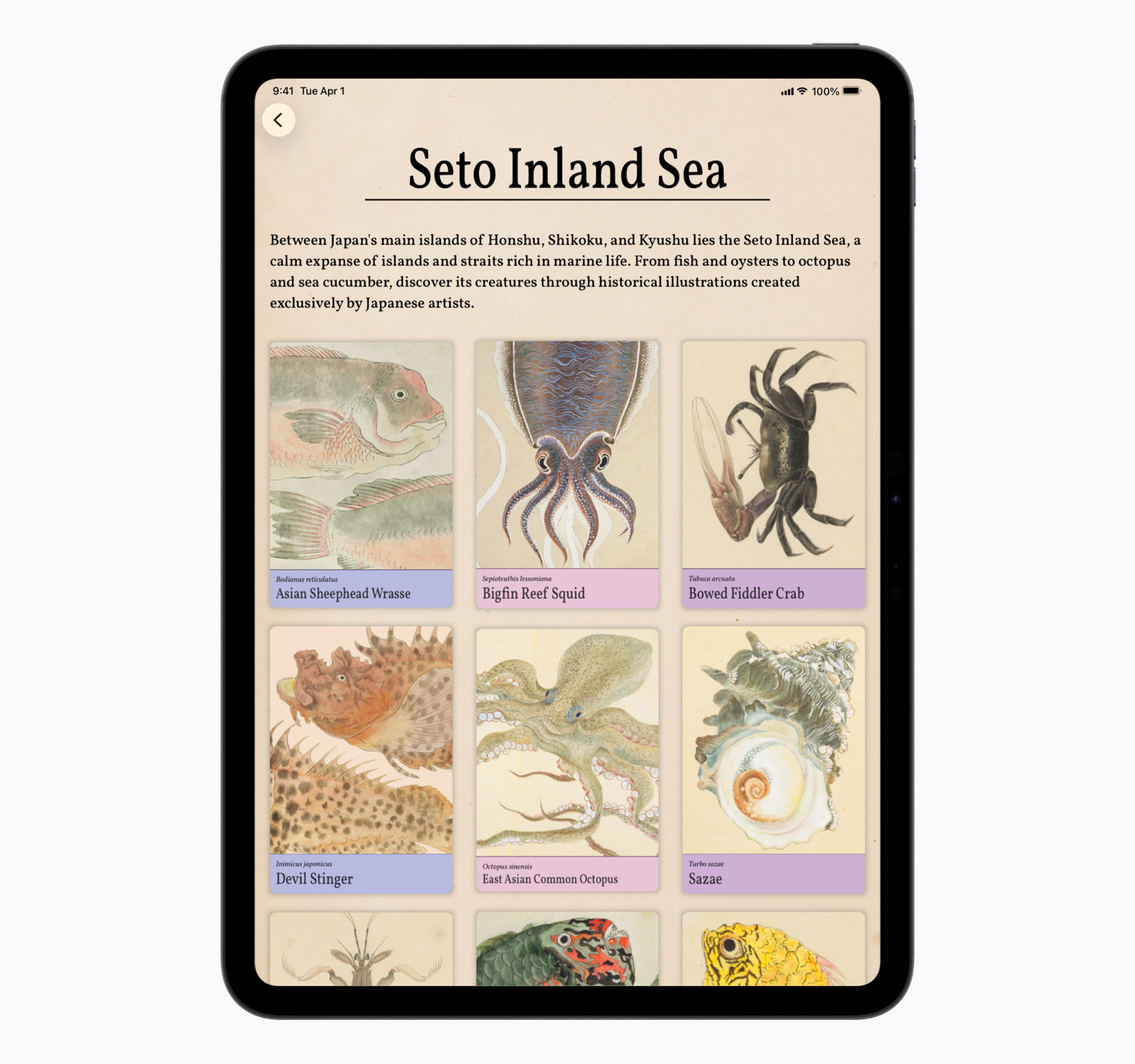
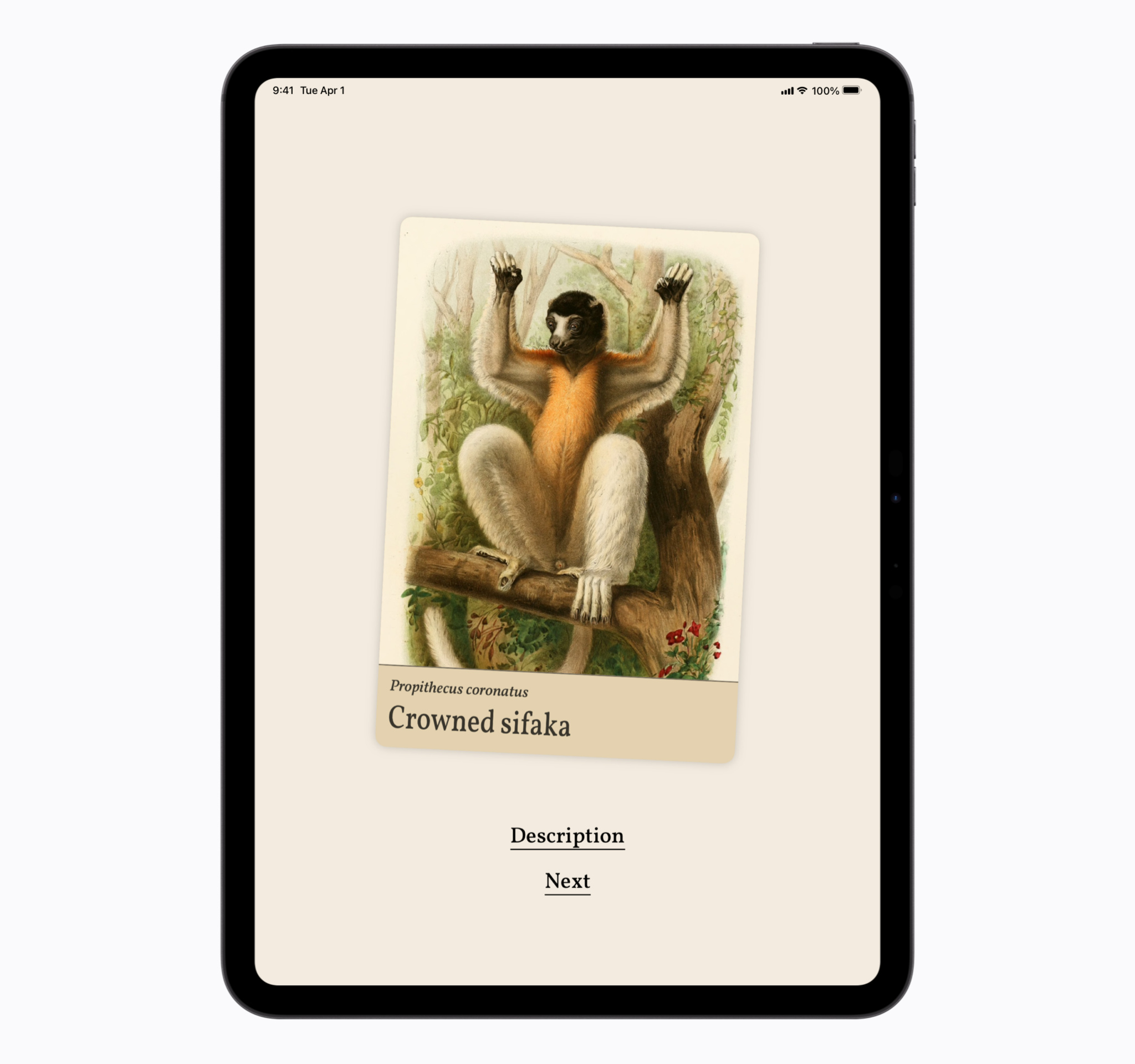
Strasser: One day, while out exploring with my fiancée, I came across one of those educational signs you often see in parks and nature reserves about animals that live there. It featured a beautiful drawing of an animal alongside a short description. That gave me the idea to do something similar in Art of Fauna, and display the image on one side and the text on the other. From there, the pieces fell into place.

How did accessibility become a priority for you as a developer?
Strasser: At WWDC in 2015, I got a question about why I hadn’t made one of my apps accessible, and I had no good answer. I had simply never thought about it.
Afterward, I contacted a blind developer in Germany and asked for help getting up to speed on accessibility. It was a fascinating challenge, and after making Elementary Minute accessible, I received a wonderful response from players. From then on, I fully dedicated myself to accessibility. I had many discussions with players who are blind, who helped me realize that no game is too complicated to make accessible. You just have to design carefully and approach mechanics thoughtfully. It became my mantra: I only want to build accessible experiences.
Do you have any advice for how other developers can work toward the same goal?
Strasser: There are many excellent WWDC sessions on accessibility. But one great way to experience how people who are blind or have low vision interact with a device is using an iOS feature called Screen Curtain. It turns off your iPhone screen while still allowing you to navigate using VoiceOver. As a sighted person, it’s hard to fully imagine how someone who is blind interacts with a device. Forcing yourself to use your own app without looking at the screen can completely change your perspective on your project.
Earlier in your career, you worked on apps largely by yourself. But for PocketShelf, you collaborated with developer Frank Solleveld. What did you learn from that experience?
Strasser: It helped me write code differently. When I’m working solo, I occasionally make notes, but most of the ideas stay in my head. With PocketShelf, I learned the value of writing concepts down and talking them through with a partner who shares my vision. It’s a completely different creative process. Having a collaborator also helped us ship the app much faster, and resulted in a much more robust project than I could have built on my own.
PocketShelf was also your first app to feature on-device AI. How did you navigate using that technology while building it?
Strasser: From the beginning, people wanted PocketShelf to generate AI summaries of what they had read. We explicitly decided to base those summaries strictly on their own notes because we wanted to ensure people actually retained the information. Research shows you remember things best when you write them down in your own words. We didn’t want to take that cognitive process away from people, so the AI summaries don’t generate anything new. They simply synthesize your own words into a helpful, personal recap.
That’s a thoughtful move, as was your decision to donate 20 percent of your proceeds from sales of Art of Fauna to wildlife conservation organizations.
Strasser: I thought it was a meaningful way to give back to science and nature conservation. I didn’t have to pay for the beautiful illustrations because the original artists are long gone, so I loved the idea of using art from the past to build an app in the present that helps preserve the future.
I never imagined it would have such a massive impact; I originally thought Art of Fauna might make a few thousand euros. But I recently received a certificate from an organization I donated to, showing that the funds protected 3,700 square meters of rainforest. It’s incredible to see the app have a real-world impact.
Keep reading
Developer stories explore best practices and philosophies from some of the most inventive developers in the Apple community. In each story, we go behind the screens with developers, designers, and engineers to find out how they brought their remarkable creations to life.