ADA Q&A: Inside the world of Cyberpunk 2077
May 16, 2026
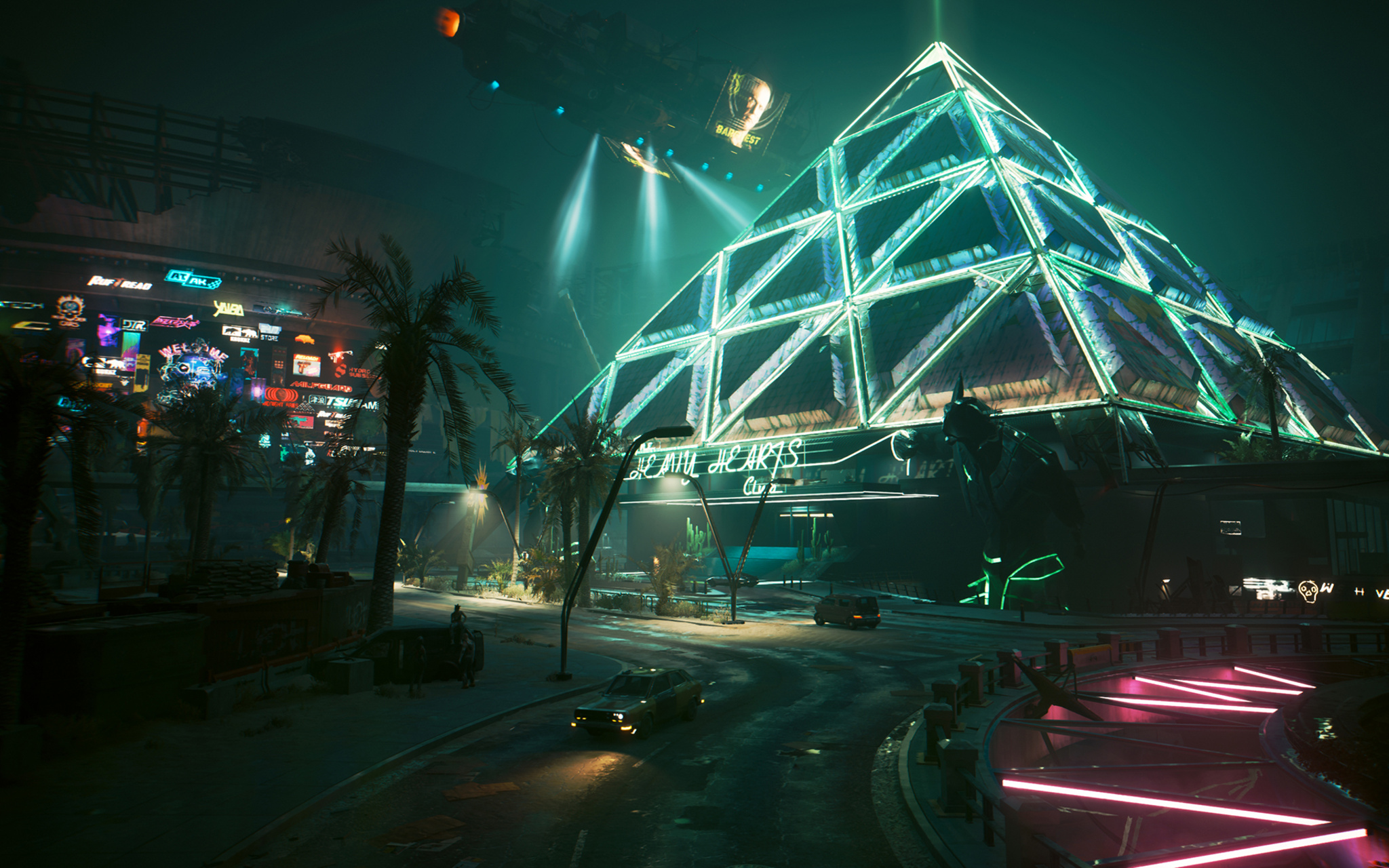
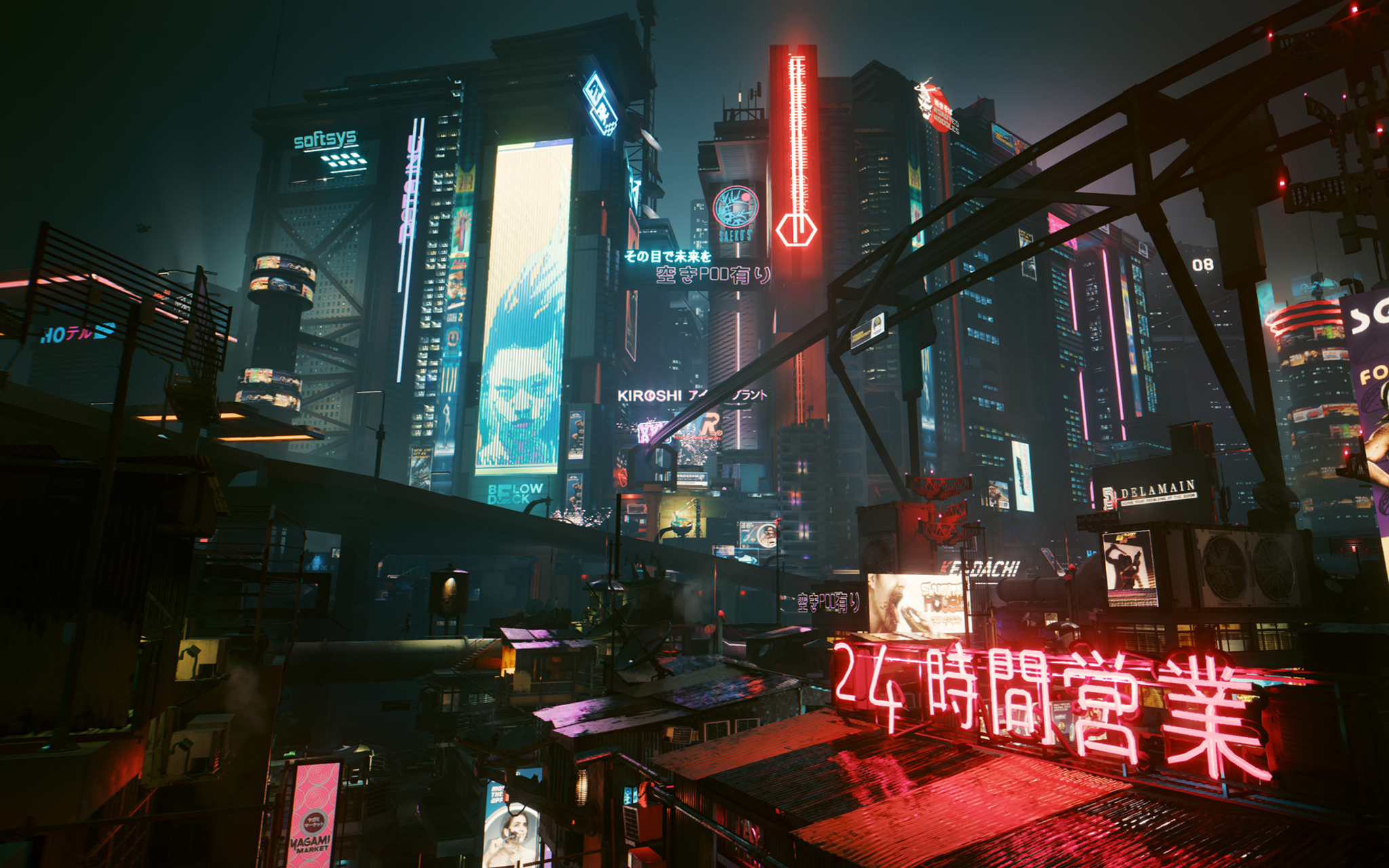
One of the most technically demanding and visually ambitious games on Mac, Cyberpunk 2077 delivers a breathtakingly detailed dystopian world — one whose intricate interiors, distinctive futuristic vehicle designs, and wild character art make it feel glamorous, gritty, and genuinely lived-in. From a technical standpoint, Cyberpunk 2077 is a heavyweight champ: the game takes full advantage of Apple silicon, Metal shaders, MetalFX frame interpolation and denoising, and path tracing on higher-end chips — and the “For This Mac” setting automatically optimizes frame rate and visual fidelity for each device.
We talked to associate game director Paweł Sasko about bringing Night City to Mac.
Cyberpunk 2077: Ultimate Edition
- Team name: CD PROJEKT RED
- Available on: Mac
- Based in: Poland
- Category: Visuals and Graphics
Download Cyberpunk 2077: Ultimate Edition from the App Store >
For such a technically complex game, what was the toughest design decision you had to make?
Sasko: Balancing performance scaling with preserving the visual identity of the game was not straightforward. The game relies heavily on dense lighting stacks, reflective materials, volumetrics, ray tracing, and all these layered visual systems that define Night City. It would have been easy to lower the quality in difficult scenes, but that would have damaged the atmosphere and emotional impact of the world. So we spent a huge amount of time profiling, refining settings one by one, validating repeatable scenes, and optimizing systems so we could maintain both fidelity and stability.
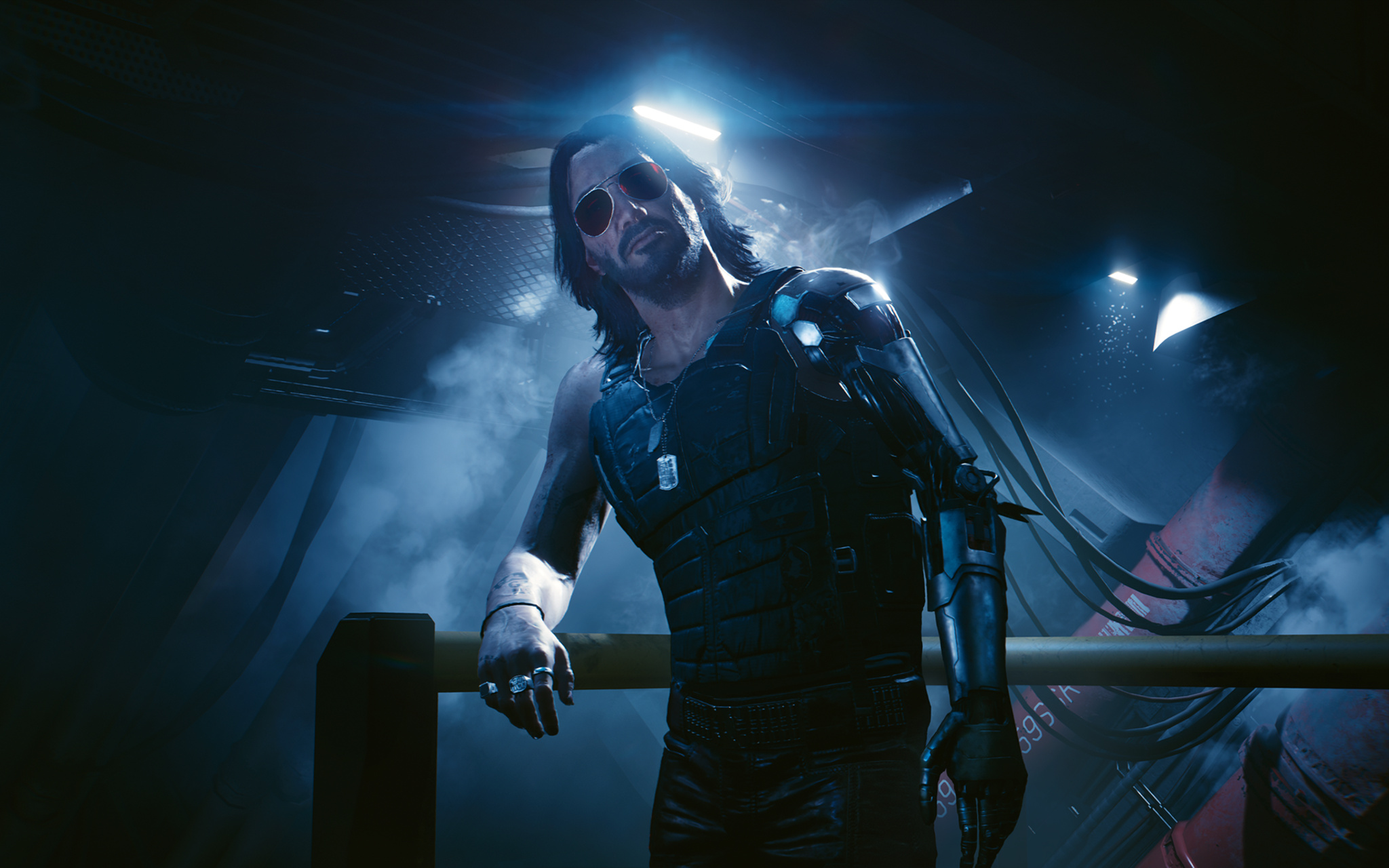
On the design side, one of the biggest debates was about the true identity of the Cyberpunk franchise. Early on, Cyberpunk 2077 pretends to be a fantasy about becoming a legendary outlaw in Night City — fast cars, fame, money, all that glamour. But the real story is much darker and more personal: it’s about terminal illness and how you deal with it. Finding the right balance between those narrative elements — player freedom, an open world with strong cinematic first-person storytelling, and existential themes — took real iteration and discussion. We wanted the game to entertain, but also to genuinely affect players emotionally long after they’d finished it.
What are you most proud of that might not be visible in the final product?
Sasko: There’s an unwritten law in game development: if everything works perfectly, nobody notices how much work went into it. But the moment even one component behaves strangely — frame pacing, streaming, controls, lighting, animation, UI flow — you can feel that something is off.
That invisible polish is what I’m most proud of. Behind the scenes, there were years of profiling, optimization, shader validation, testing loops, architecture reworks, and constant iteration across many hardware configurations. Even small things like app switching, full screen behavior, HDR calibration, controller responsiveness, and moving between displays mattered to us, because we wanted Cyberpunk on Mac to feel truly native. When players can just launch the game and fully disappear into Night City without thinking about the technology underneath, that’s when you know the work was worth it.
What Apple tools or technologies were central to your process?
Sasko: The Game Porting Toolkit let us evaluate the game in a translated environment before we even started writing native code. That gave us valuable signals pretty early on — insight into where the frame time was going, whether pressure points were CPU- or GPU-related, and what systems needed the most attention once we moved native.
From there, the Metal API and Metal Shader Converter became central to the rendering process. MetalFX with Dynamic Resolution Scaling also became a major part of our strategy because it helped us maintain stable performance in the heaviest gameplay scenarios while preserving image quality. On top of that, we integrated platform features like HDR through Apple's EDR pipeline, Spatial Audio with head tracking for AirPods, Game Mode, native controller support, and iCloud saves to make the game feel at home on macOS.
As someone with experience on projects like this, what advice would you give to a game developer or designer just starting out?
Sasko: I genuinely believe video games are becoming one of the most important forms of entertainment and artistic expression because of how complex they are. Games combine storytelling, technology, music, art, systems design, cinematography, psychology, and player agency all at once. There's nothing else like them, and I think the medium will only become more respected over time.
So my biggest piece of advice: keep making things, constantly. Big productions like Cyberpunk 2077 are really just thousands of small problems solved step by step over many years. Learn to iterate without ego — even though it's incredibly hard. Test things, break them, redesign them, improve them, and repeat. The people who grow the fastest are usually the ones who stay curious, adaptable, collaborative, and passionate. And honestly, seeing players emotionally connect with a world your team created together is one of the best feelings in the world.
Read more developer stories
Developer stories explore best practices and philosophies from some of the most inventive developers in the Apple community. In each story, we go behind the screens with developers, designers, and engineers to find out how they brought their remarkable creations to life.