ADA Q&A: Primary sources
May 16, 2026
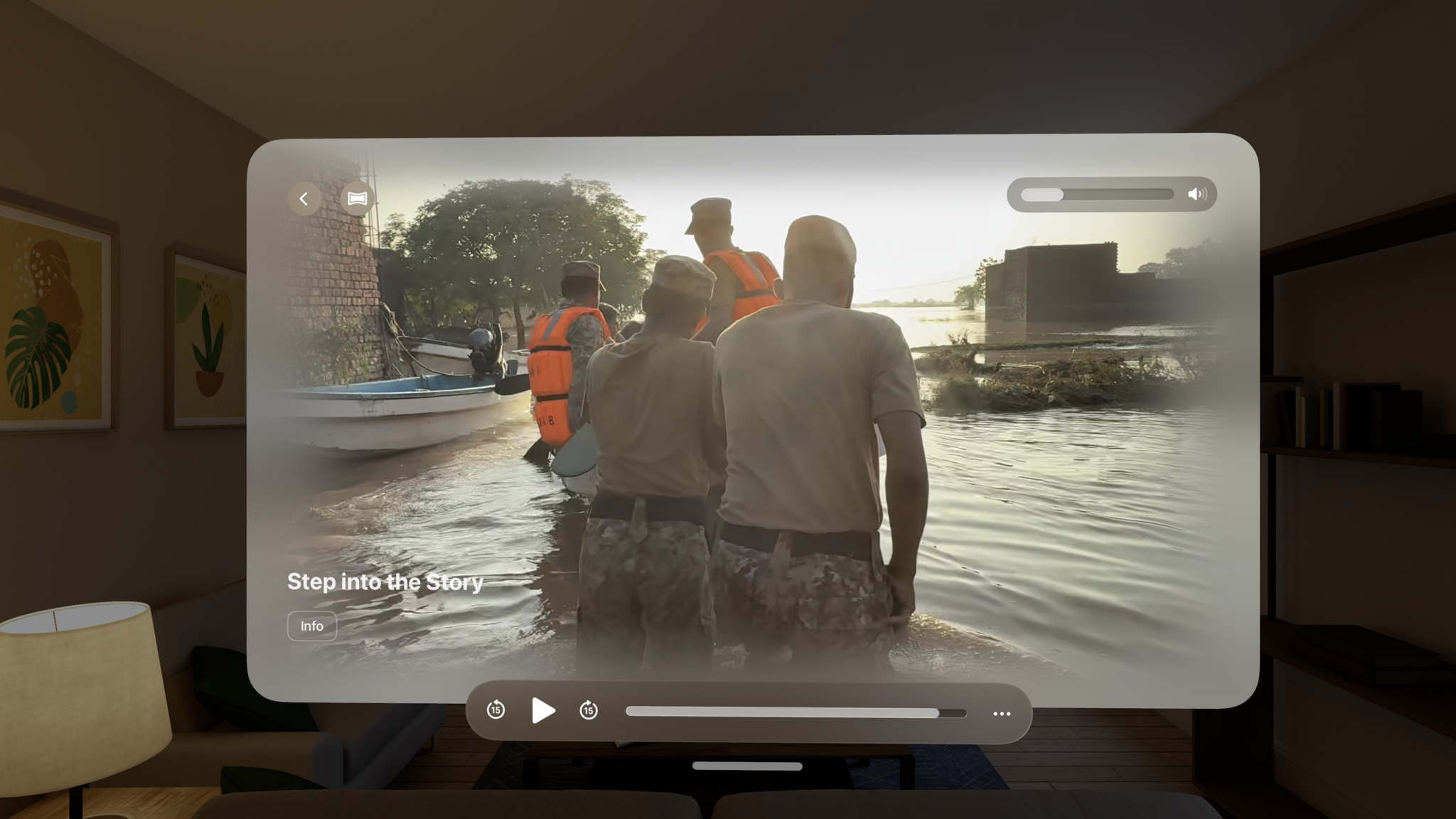
Primary: News in Depth, a spatial news app for Apple Vision Pro, was founded by journalist Maura Axelrod and immersive filmmaker Sam Baumel, and is powered by a team of contributors around the globe. The app shines a spotlight on breaking news and crucial issues with spatial video that’s resistant to sensationalism or clickbait. And with a properly minimal Ul, Primary wisely gets out of the way of the news, keeping the focus on the story.
We caught up with Axelrod and Baumel to find out how they brought a new form of journalism to an industry in flux.
Primary: News in Depth
- Available on: visionOS
- Team size: 2
- Based in: United States
- Category: Social Impact
Download Primary from the App Store >
What was the original idea behind Primary?
Baumel: Realizing that immersive journalism no longer needed to be limited to highly specialized productions. Once spatial video became available on iPhone, it suddenly felt possible for reporters in the field to capture that footage as part of everyday newsgathering. That shift opened up a very different model for reporting. We were excited by the possibility of making reporting more immersive, more connected to real on-the-ground journalism, and ultimately very scalable.
How did you get started?
Axelrod: There were really three motivations behind the project. One was the storytelling side. We felt spatial video had the ability to bring people closer to a story in a way that traditional formats sometimes cannot. The other motivation was the changing state of journalism itself. We are watching the news landscape shift very quickly. Some longstanding news organizations are disappearing or shrinking, while at the same time entirely new forms of reporting, distribution, and audience engagement are emerging. Another major motivation was the rise of false information and AI-generated content. We believe there is growing value in authentic reporting from people who were actually there, documenting real events in real time.
The journalists are really the heart of the organization. They deserve the credit for what people experience in the app. Many of them are covering difficult stories, sometimes in dangerous conditions, and in some cases they are documenting conflicts happening in their own communities and neighborhoods. That takes a real emotional and professional commitment.
Walk us through your earliest concepts.
Baumel: From the beginning, we wanted Primary to be built around working journalists. In many cases, contributors were already in those places reporting. Spatial capture became an additional layer of storytelling, not a separate production altogether. Some already had compatible iPhones, and in other cases we provided phones so they could shoot in spatial while continuing their normal reporting work.
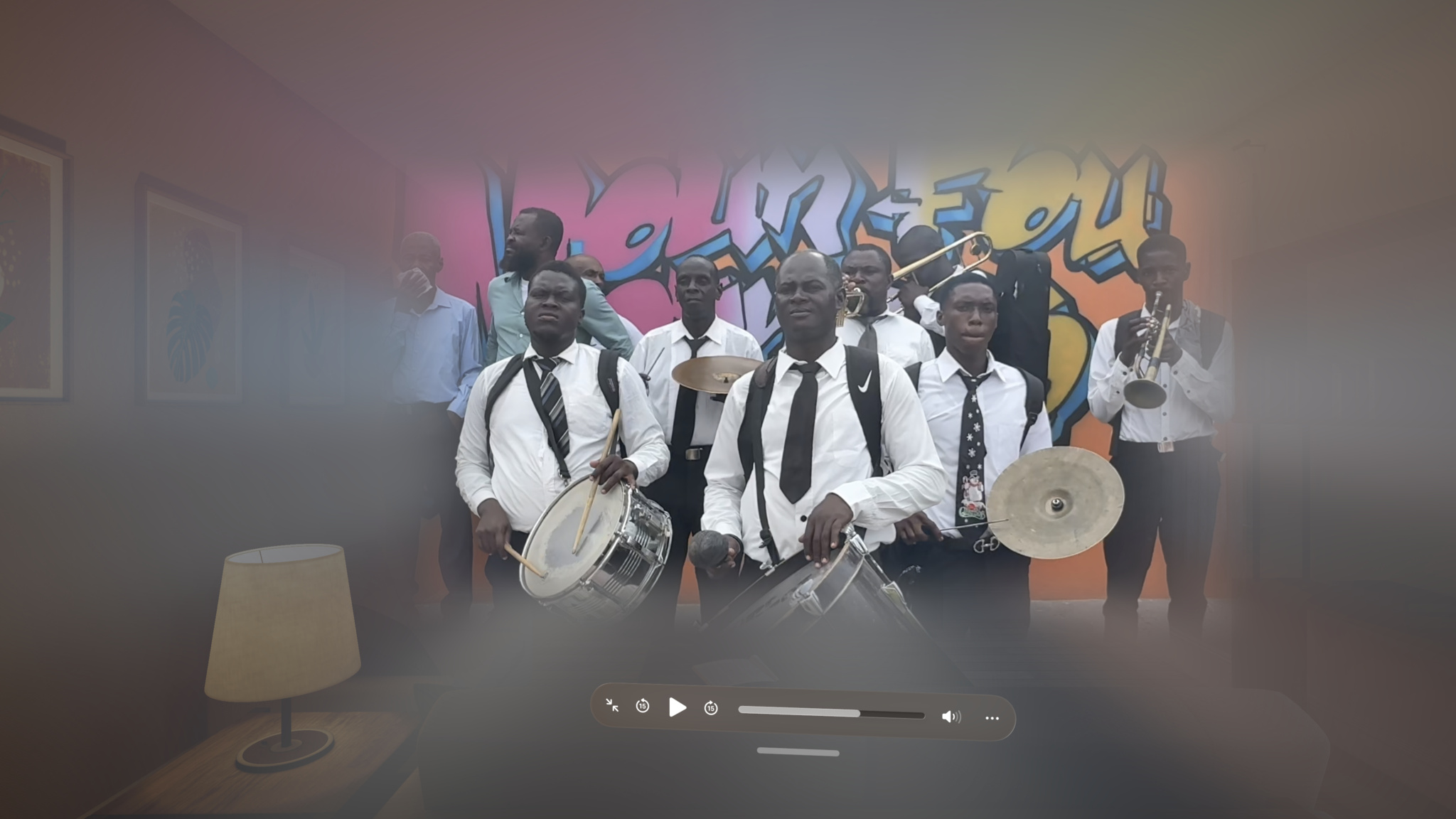
Who did you have in mind when thinking about the impact of your app? How did that responsibility shape the choices you made along the way?
Axelrod: One thing we thought about from the beginning was the gap that exists in international news coverage right now. There are important stories happening every day that either receive very little attention or disappear quickly from public view. We wanted to create a way for people to feel closer to those places and those events.
That created a real sense of responsibility, both to the people appearing in the stories and to the audience watching them. We wanted the reporting to feel grounded and honest, not sensationalized. That shaped a lot of the decisions we made. We kept the storytelling fairly direct, tried to stay close to the reporting itself, and worked with journalists who were already deeply familiar with the places they were covering.
We also felt a responsibility to the journalists and contributors who worked very hard, and sometimes took real risks, to document these stories. Many of the people filming for Primary were already on the ground reporting in difficult situations. It was important to us that their work could actually be seen and experienced by audiences in a meaningful way.
At what point did you feel like the app design really clicked?
Axelrod: When people began watching the stories, the response was immediate. Viewers often talked about feeling genuinely present in a place rather than simply watching coverage of it. That was the point where we understood the format could create a different kind of connection to reporting. It also clarified something important for us: the project was never really about the technology alone. What mattered most was giving people a closer experience of real events and real human stories.
What advice would you give to a developer or designer just starting out?
Baumel: Play to the strengths of the ecosystem you’re building for. Different Apple devices create different kinds of experiences, and thinking about how those experiences connect can shape the product in important ways. For us, iPhone, spatial video, Spatial Audio, AirPods, AirDrop, desktop editing workflows, and Apple Vision Pro all became part of a connected pipeline rather than separate tools. A lot of the breakthroughs came from understanding how those pieces could work together naturally instead of forcing the app into older media conventions.
Read more developer stories
Developer stories explore best practices and philosophies from some of the most inventive developers in the Apple community. In each story, we go behind the screens with developers, designers, and engineers to find out how they brought their remarkable creations to life.