“Performance is everything”: Why Notion switched to SwiftUI
October 28, 2026
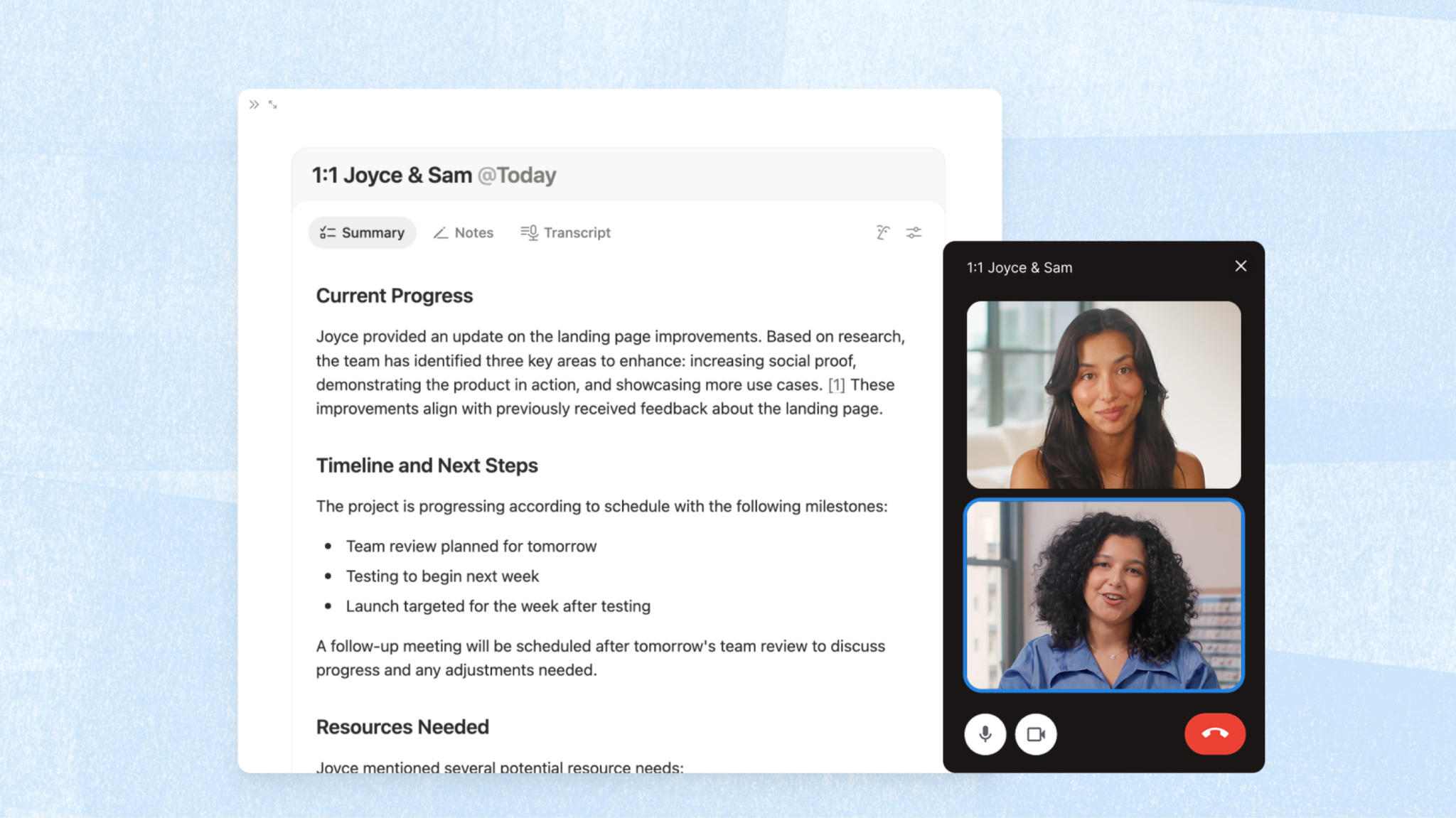
The productivity app Notion reaches more than 100 million people around the world. Today, thanks to a migration to SwiftUI, it does so much faster and smoother than before. “The app now launches at least twice as fast,” says Austin Louden, Notion’s mobile platform lead.
We talked to Louden about how the app is keeping up with the company’s push into AI, and why it was time to go native.
Notion
- Available on: iPhone, iPad
- Based in: San Francisco
Download Notion from the App Store >
What prompted the switch to SwiftUI, and why now?
Louden: The primary motivation was performance. When the app launched about five years ago, it felt cumbersome, and performance wasn’t great. We were seeing load times of five seconds just to open the app, compared with the Notes app, which is essentially instant.
Notion was available on day one for iPhone Duo. How did this migration affect and inform that process?
Louden: Our layouts follow size classes and safe areas instead of device type. The migration lets iOS handle most of the changes, so when you unfold Duo, Notion automatically switches from the phone layout to one with a sidebar next to your page.
Duo was a great stress test. It found every place where we'd still assumed a screen size, and a small team fixed those in a few weeks. Notion AI is also built on native split navigation, so on Duo its controls sit in the new vertical toolbar.
Why wasn’t Notion originally built using SwiftUI?
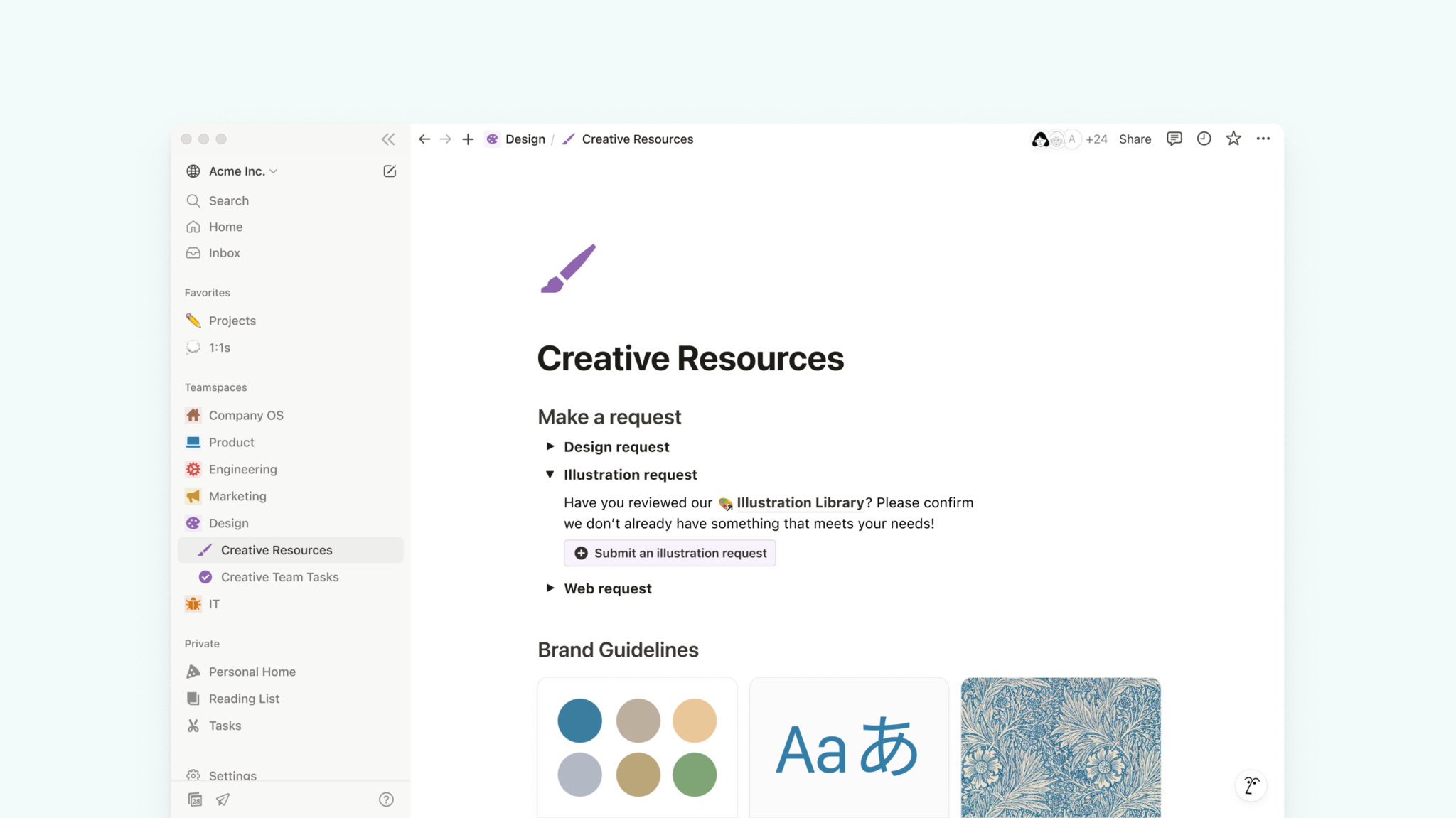
Louden: We already had a web version of the app and wanted to release something people could use on mobile as quickly as possible. Once we saw that people were using the mobile app, we knew native was the direction we had to go. We feel the migration has brought the craft and polish the app needs.
It must be very satisfying to see that pay off.
Louden: I definitely feel better about the app now than I did a few years ago. It’s been a good journey. I feel like we’re reaching the end of it, where the editor ships natively, and that’s also a new beginning. But we’re our own harshest critics. There’s more iteration we can do.
How have expectations mapped to reality?
Louden: It was about what we expected. The migration has taken a few years. We migrated Home, then Search. Notion is a very complex app. To serve as a full editor, it syncs content in real time. That presents some unique problems that made the migration harder.
How has the migration paved the way for Notion's AI features?
Louden: Our AI features were all built native-first. As we were migrating and building AI features, we immediately decided to launch AI on mobile natively. That’s because we believed the performance and the experience of typing would be much better.
What would you tell other developers considering making the switch?
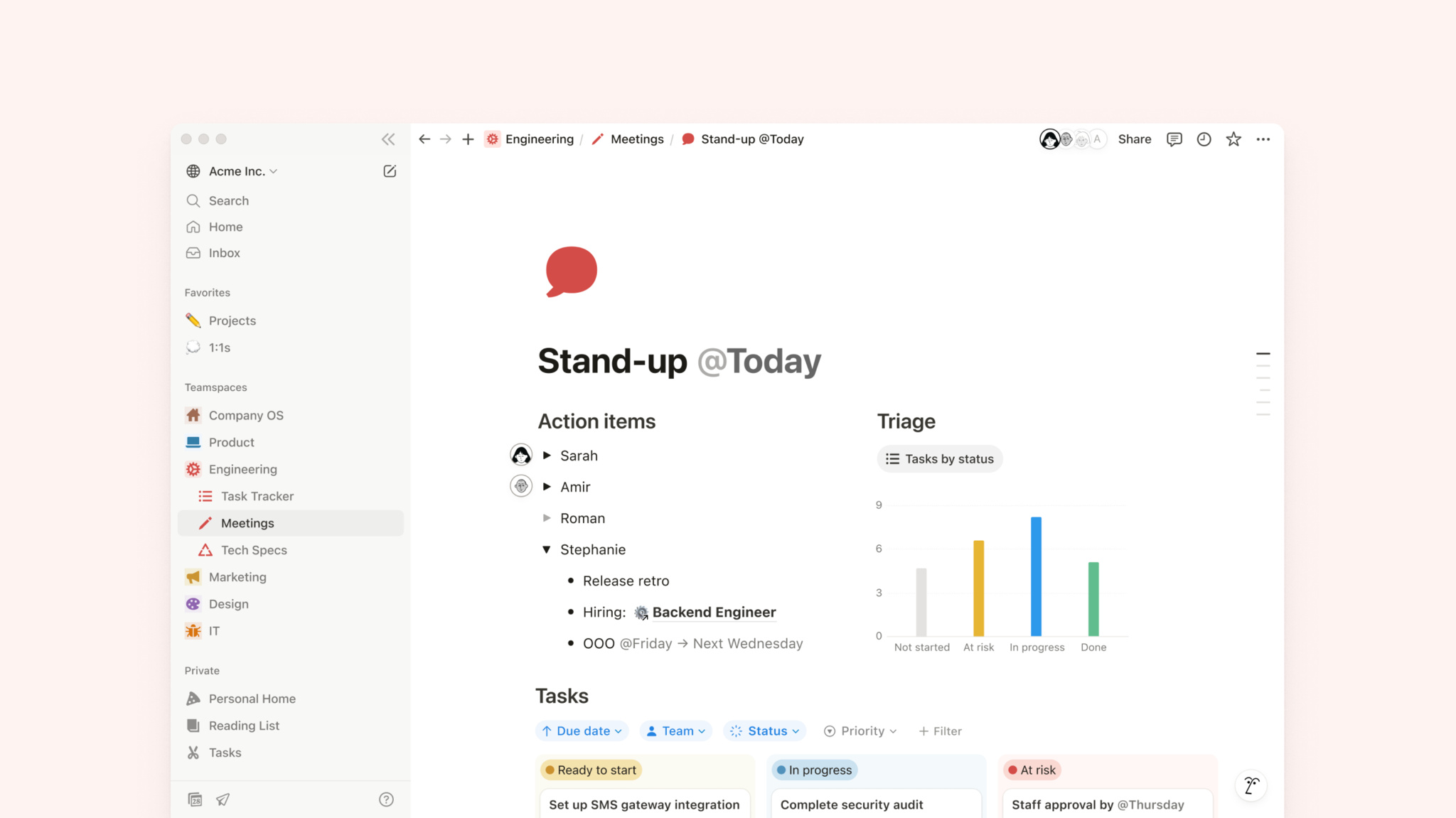
Louden: Performance is everything. Performance is critical. Time and time again, we’ve demonstrated that when we improve performance, all metrics go up. Activation. Page creation. Every engagement metric. There’s no substitute for that in the long run.
Read more developer stories
Developer stories explore best practices and philosophies from some of the most inventive developers in the Apple community. In each story, we go behind the screens with developers, designers, and engineers to find out how they brought their remarkable creations to life.