“The impact was the biggest surprise“: Swiggy’s transition to native pays off
September 1, 2026
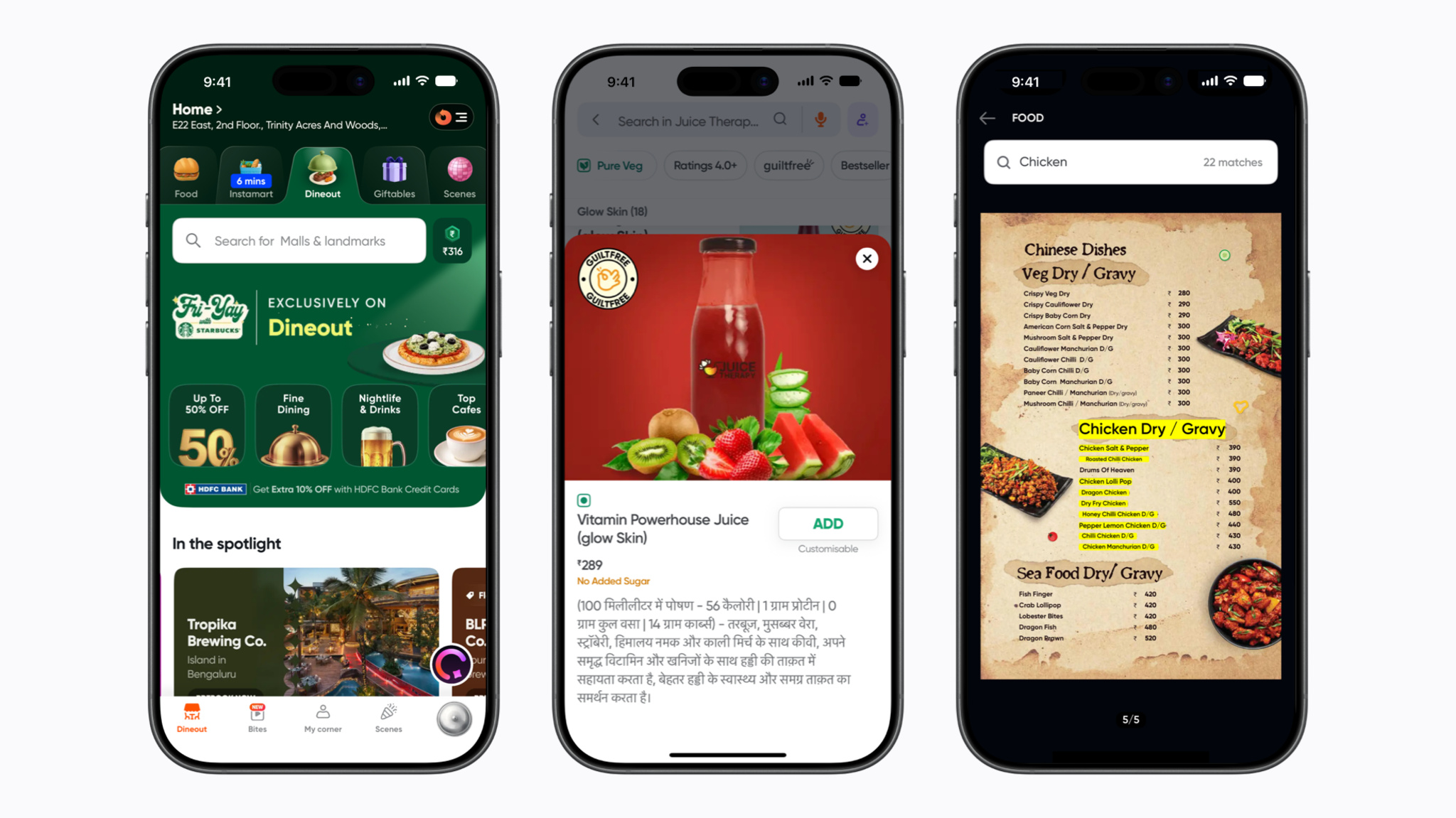
Swiggy began as a humble food delivery service. Today, it’s India’s leading on-demand convenience platform, one that offers everything from groceries via Instamart to restaurant bookings via Dineout. And since 2024, it’s been powered by native tools that create seamless mobile experiences for an audience that numbers in the millions.
We caught up with Swiggy’s iOS development team to discuss performance metrics, proactive technology adoption, and the surprising ways transitioning to native tools impacted design.
When did you begin the process of transitioning to native apps?
Agam Mahajan, senior engineering manager: We’ve always built Swiggy Food natively, but Instamart and Dineout started as hybrid experiences. As these businesses scaled rapidly, we began to see clear limitations in performance and stability. That's when, in early 2024, we made the decision to transition them to native apps, using a combination of Swift and SwiftUI.
What was the first step to going native?
Mahajan: The first step was identifying high-impact journeys rather than attempting a full rewrite. We started with the Instamart and Dineout home and search experiences, where most customer interactions happen, and rebuilt them as native experiences implemented in Swift and SwiftUI. We then followed a phased approach: we shipped our first native experiences within weeks and completed the broader transition.
Why was it important to your team to move to native platforms?
Tushar Tayal, assistant vice president: As Instamart scaled, we started seeing issues like high page load times, app hangs on large SKU lists, memory pressure, and inconsistent animations. On Dineout, we found that rich restaurant content — high-quality images and videos — was also constrained in a hybrid setup. We were also limited in leveraging the latest native capabilities, like advanced animations through Core Animation and newer platform innovations such as Apple Intelligence.
At an organizational level, we also wanted to bring all our experiences — Swiggy Food, Instamart, and Dineout — under a unified design system. In quick commerce and discovery, every second counts and every interaction matters. We needed tighter control over performance, reliability, and rendering. Moving to native allowed us to deliver faster, smoother, and more immersive experiences at scale.
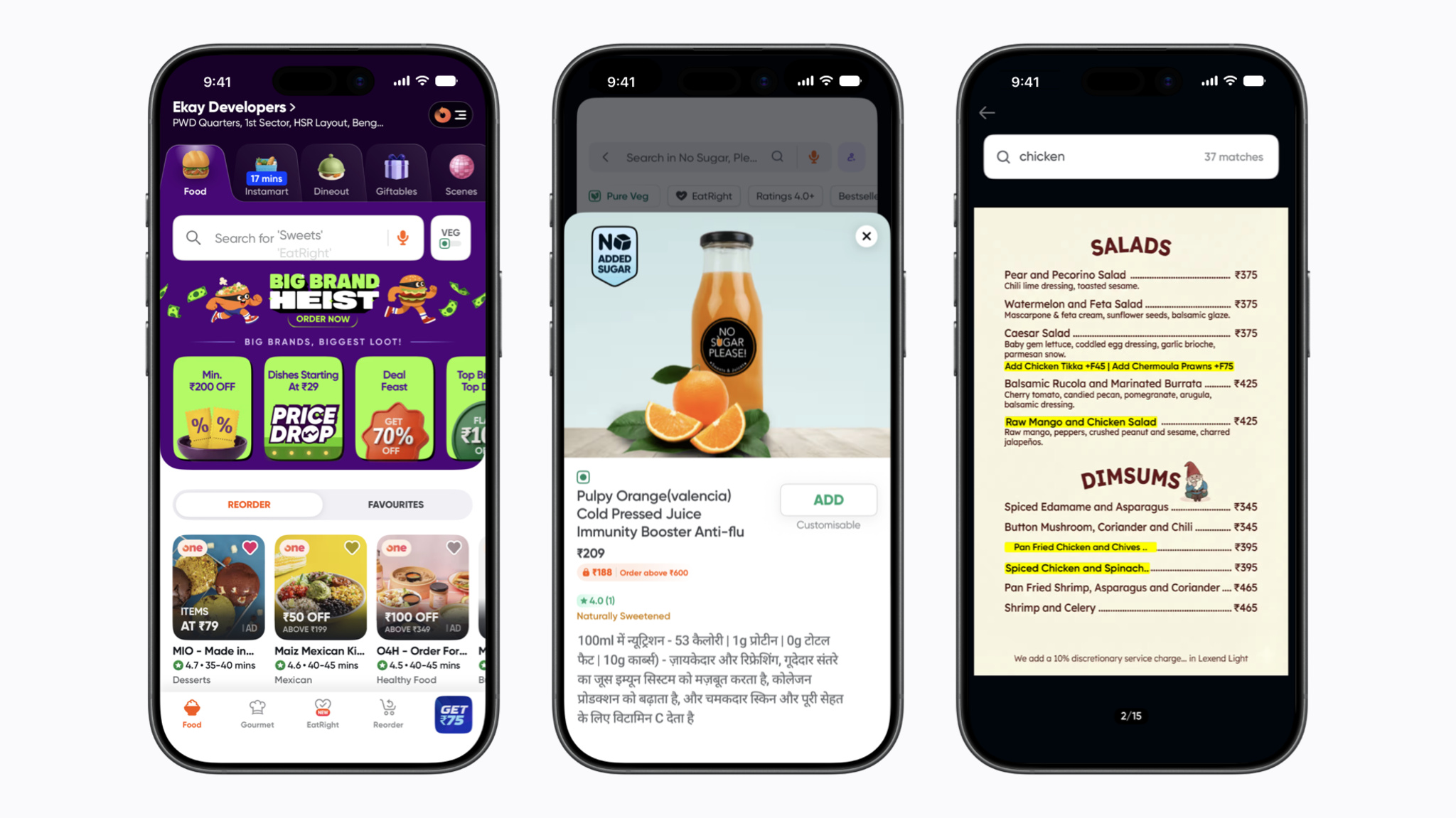
“Moving to native allowed us to deliver faster, smoother, and more immersive experiences at scale,” says Swiggy Assistant Vice President Tushar Tayal.
What early benefits did you notice?
Priyam Dutta, engineer: People immediately experienced noticeably faster load times, smoother scrolling, and more fluid animations. The app felt more responsive and reliable, especially on older devices, where the difference was most pronounced.
At the same time, moving to native helped us bring greater design consistency across Swiggy Food, Instamart, and Dineout, and made it easier to reuse components, delivering a more cohesive experience across business lines. It also unlocked new use cases by leveraging native iOS capabilities. We introduced features like OCR for Dineout menu search, which improved conversions, and grocery list scanning for Instamart. With Apple Intelligence, we were able to build experiences like item summarization and comparison, making discovery faster and more intuitive.
What have you heard from your community?
Dutta: Response has been very positive. We observed improvements in engagement, completion rates, and app ratings — clear signals that people could feel the performance gains. We also saw people organically calling out the improved experience on social media, which reinforced that the changes were both noticeable and meaningful.
What's been the most surprising thing to come out of this process?
Shashwat KN, engineer: Honestly, the impact was the biggest surprise. We expected improvements in latency, performance, and crash rates. What stood out was the downstream effect on business metrics. We saw a meaningful uptick in conversion and a reduction in bounce rates, showing that performance improvements translated directly into better outcomes.
Another unexpected outcome was how it unlocked creativity across teams. Designers started pushing more engaging and complex experiences, knowing they could rely on native capabilities.
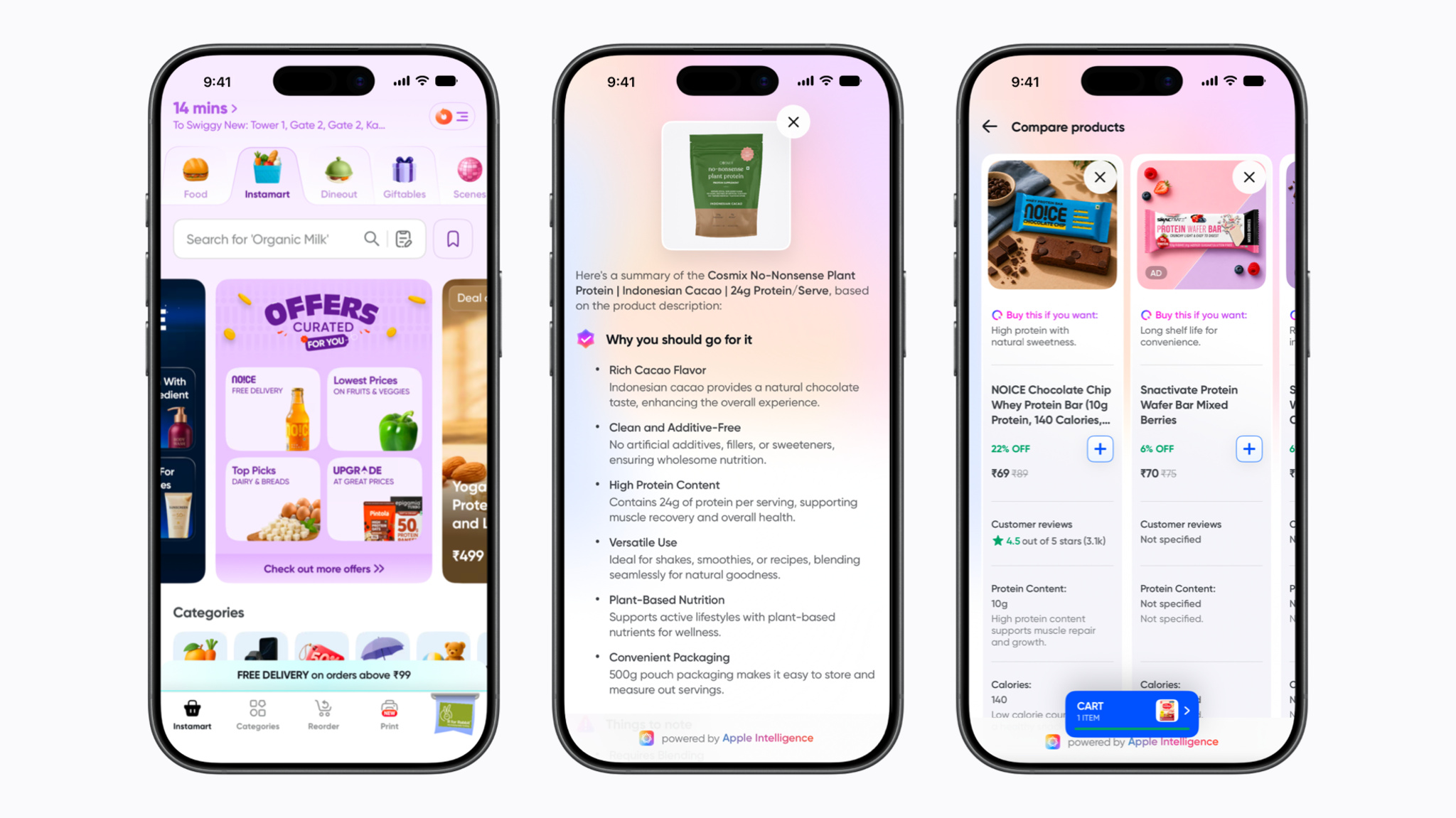
The Swiggy team brought apps like Instamart under a unified design system. ”In quick commerce and discovery, every second counts and every interaction matters,” says Tayal.
What challenges did you encounter?
Aviral Garg, engineer: One of the key challenges was balancing speed with long-term architectural decisions. Early on, we leaned toward ideal implementations, which slowed execution. We corrected course by prioritizing iterative delivery, building scalable systems while still moving fast.
Ensuring feature parity during the transition was another challenge. We had to continue shipping new features in parallel while migrating, which required clear ownership and careful coordination between hybrid and native systems.
Design was also interesting. We initially replicated the existing UI in native, but later pivoted to adopting native design patterns with minor adjustments, improving reusability, accelerating development, and still preserving core functionality.
Read more developer stories
Developer stories explore best practices and philosophies from some of the most inventive developers in the Apple community. In each story, we go behind the screens with developers, designers, and engineers to find out how they brought their remarkable creations to life.